Our Solar System
The Sun, eight planets, their moons, dwarf planets and billions of small bodies: this is our family in space. Watch the planets go round, then open the page of each body.
The eight planets
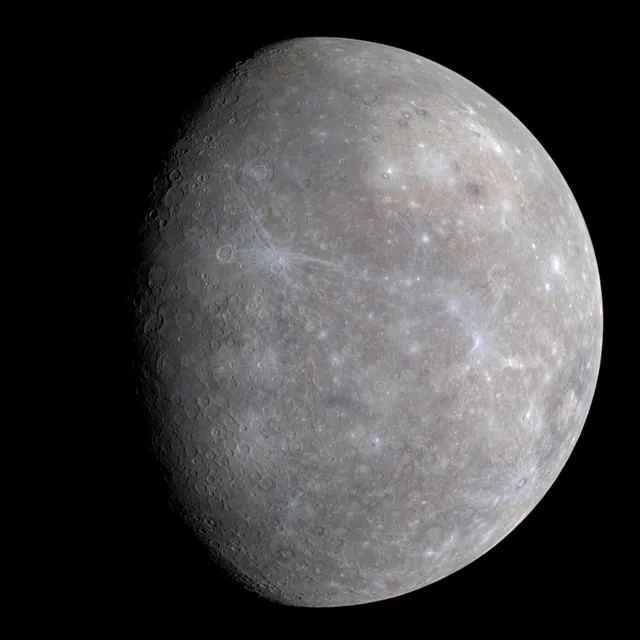
Mercury
rocky planet4,879 km (0.38 Earth)
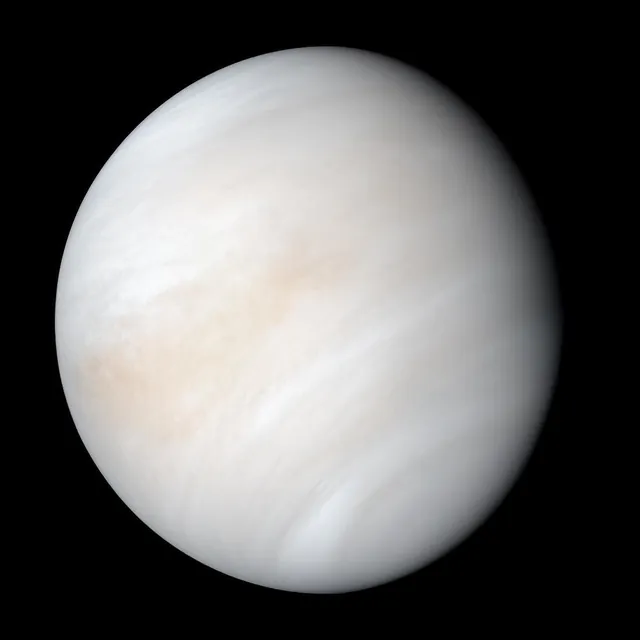
Venus
rocky planet12,104 km (0.95 Earth)
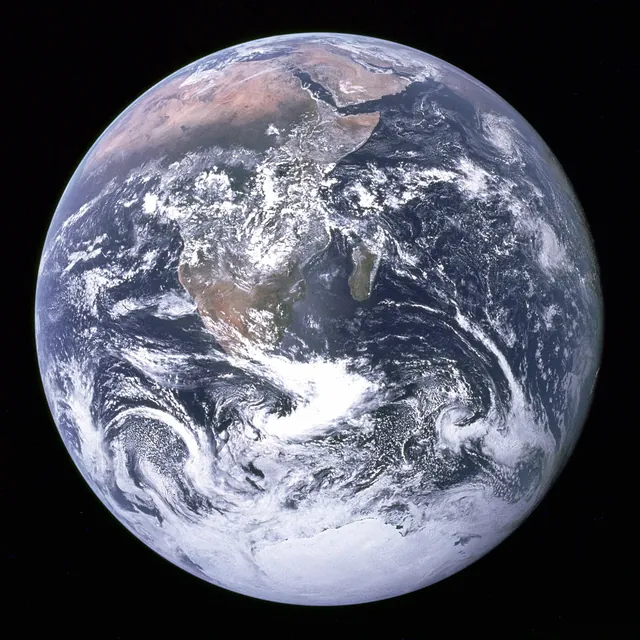
Earth
rocky planet12,742 km
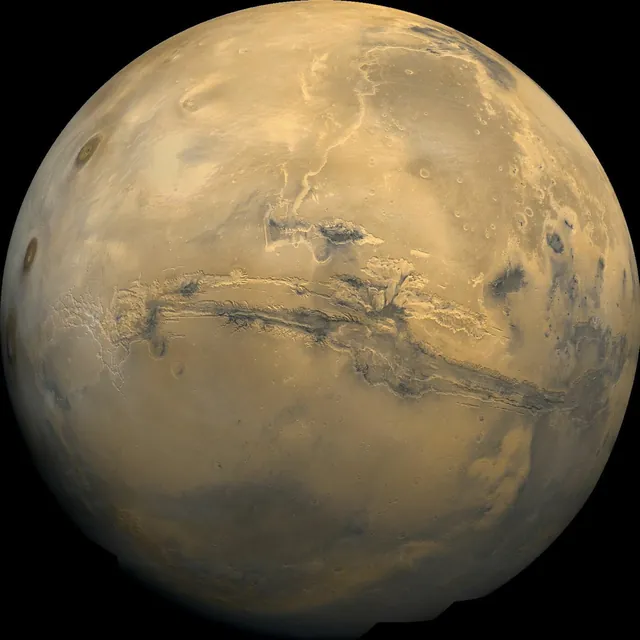
Mars
rocky planet6,779 km (0.53 Earth)
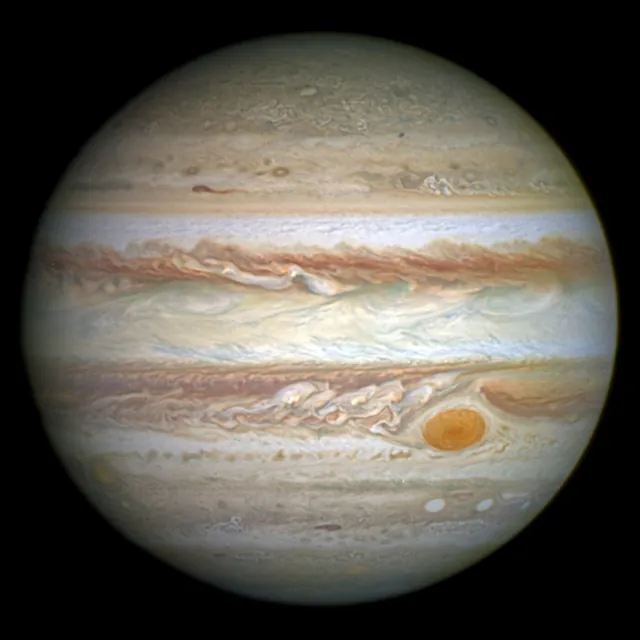
Jupiter
gas giant planet139,820 km (11 Earths)
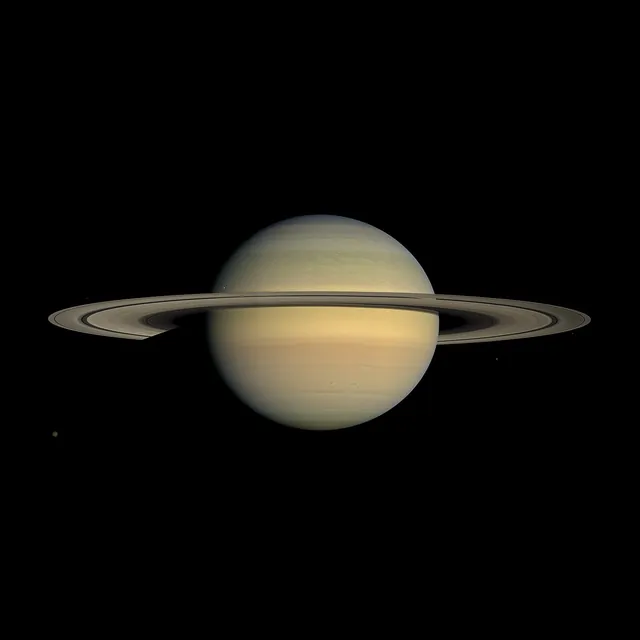
Saturn
gas giant planet116,460 km (9 Earths)
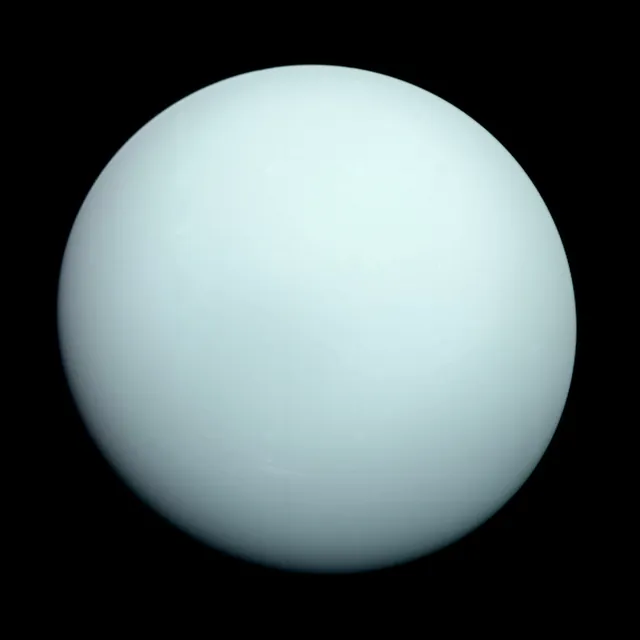
Uranus
ice giant planet50,724 km (4 Earths)
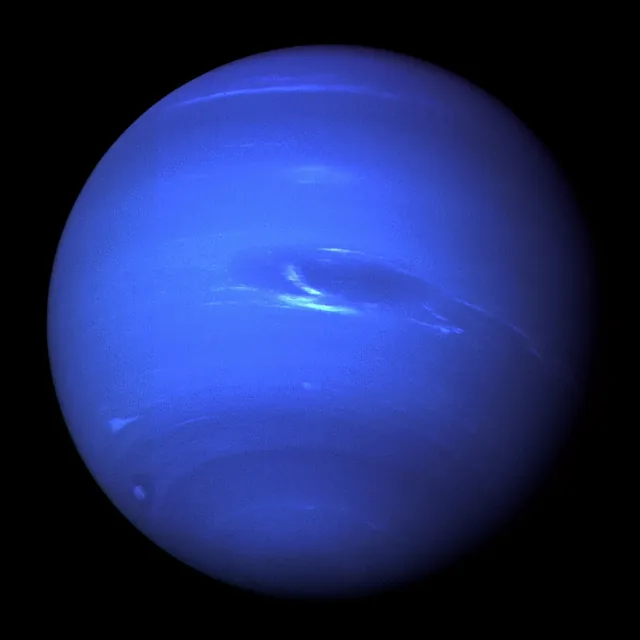
Neptune
ice giant planet49,244 km (3.9 Earths)
The Sun, the Moon and the dwarf planets
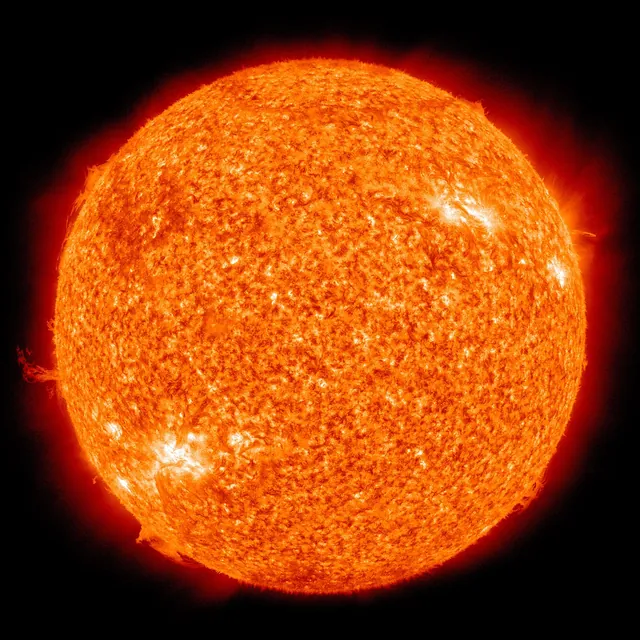
Sun
star1,392,700 km (109 Earths)
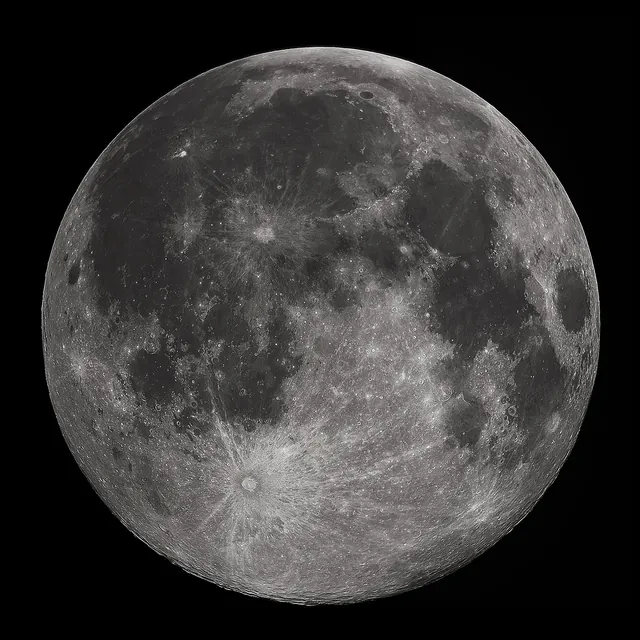
Moon
Earth’s natural satellite3,474 km (0.27 Earth)
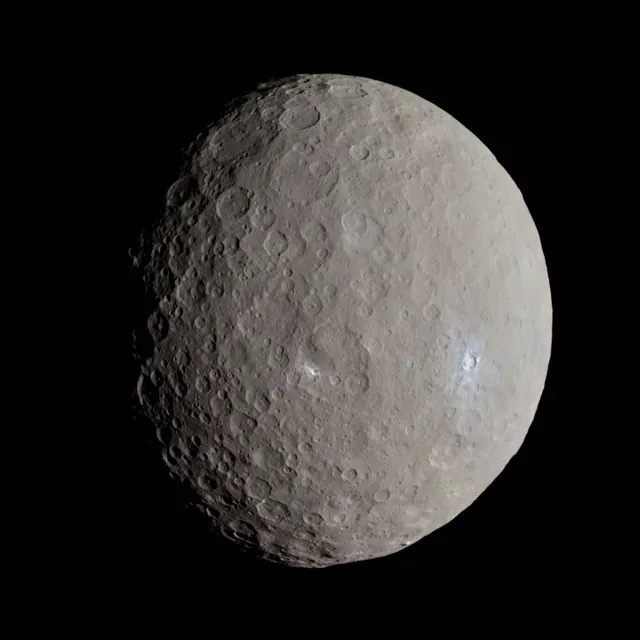
Ceres
dwarf planet in the asteroid beltabout 940 km
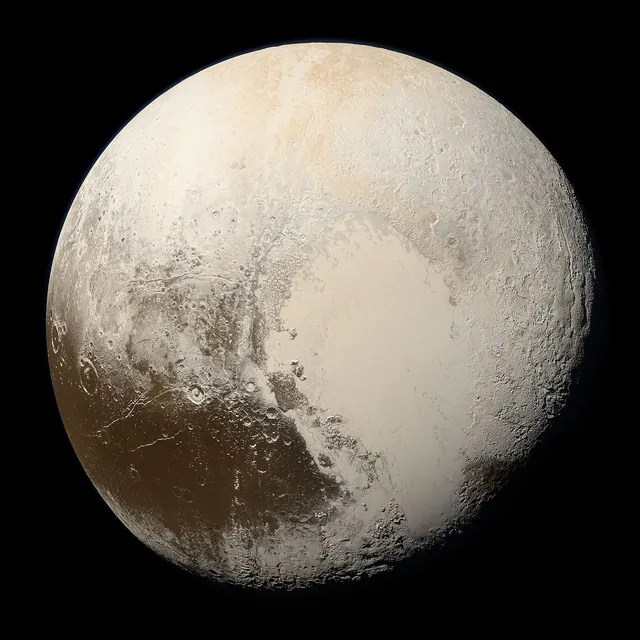
Pluto
dwarf planet2,377 km (smaller than the Moon)
Haumea
elongated dwarf planetabout 2,100 × 1,700 × 1,100 km
Makemake
distant dwarf planetabout 1,430 km
Eris
distant dwarf planetabout 2,330 km
Planet or dwarf planet?
In 2006 the International Astronomical Union defined what a planet is: a body that orbits the Sun, is massive enough to have become roughly round, and has “cleared the neighbourhood” around its orbit. Pluto meets the first two conditions but not the third: it shares its region with a crowd of other icy objects. So it became a dwarf planet, like Ceres, Eris, Haumea and Makemake.
The planets fall into two families: four rocky planets close to the Sun (Mercury, Venus, Earth and Mars) and four more distant giant planets (Jupiter and Saturn, made mostly of gas, and Uranus and Neptune, rich in ices).