The Sun
Star
1Overview
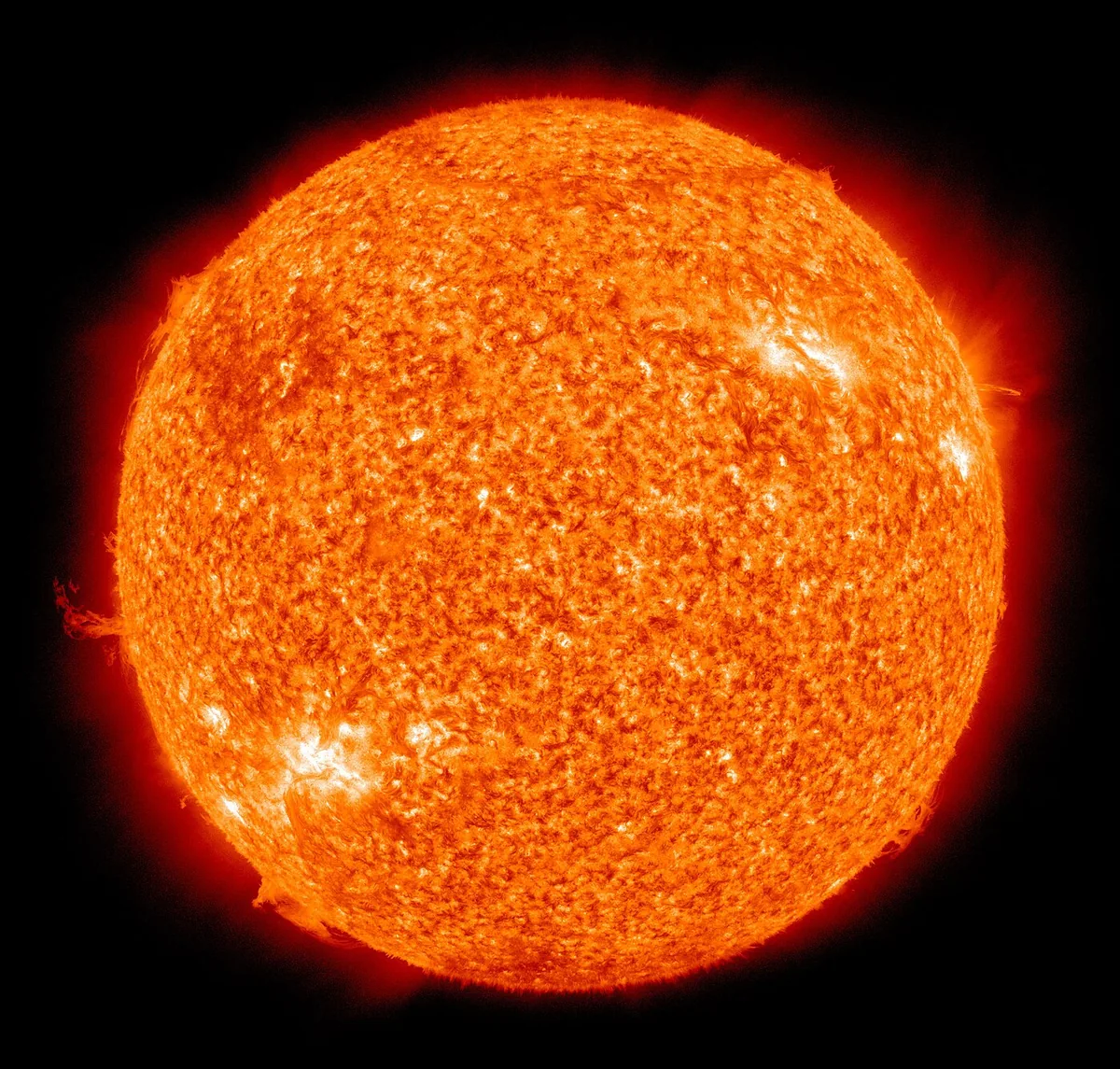
The Sun is an ordinary star, a ball of burning gas made mostly of hydrogen (about 73%) and helium (25%). It holds 99.8% of the mass of the Solar System. In its core, at 15 million degrees, hydrogen nuclei fuse into helium: every second it turns about 4 million tonnes of matter into energy.
This energy takes tens of thousands of years to work its way up to the surface, then 8 minutes and 20 seconds to reach us. Its visible surface, the photosphere, is dotted with darker, cooler sunspots, whose number varies over a cycle of about 11 years. Above it lies the corona, a very hot atmosphere seen during total eclipses.
Born 4.6 billion years ago, the Sun is roughly halfway through its life. In about 5 billion years it will swell into a red giant, then end as a white dwarf.
2Observing it
Working it out…
Warning: never look directly at the Sun, and above all never through binoculars, a telescope or a camera without a certified solar filter fitted over the front of the instrument: concentrated sunlight burns the eye in a fraction of a second, painlessly, and the damage is permanent. Sunglasses do not protect you.
To observe sunspots safely, you can project the Sun’s image onto a sheet of white card with a small telescope (never looking through the eyepiece), or use eclipse glasses that meet the ISO 12312-2 standard and are in good condition.
3Exploration
Many satellites watch the Sun constantly, such as SOHO (launched in 1995) and NASA’s Solar Dynamics Observatory (2010). In 2018 the Parker Solar Probe set off to “touch” the Sun: it flies through the corona and, at the end of 2024, passed about 6 million kilometres from its surface, becoming the fastest object ever built. The European Solar Orbiter, launched in 2020, is photographing its poles for the first time.
4Other Solar System bodies
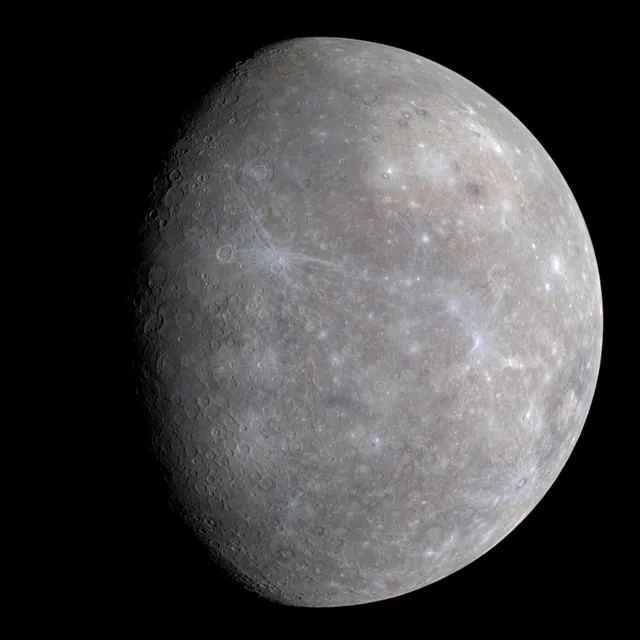 Mercuryrocky planet
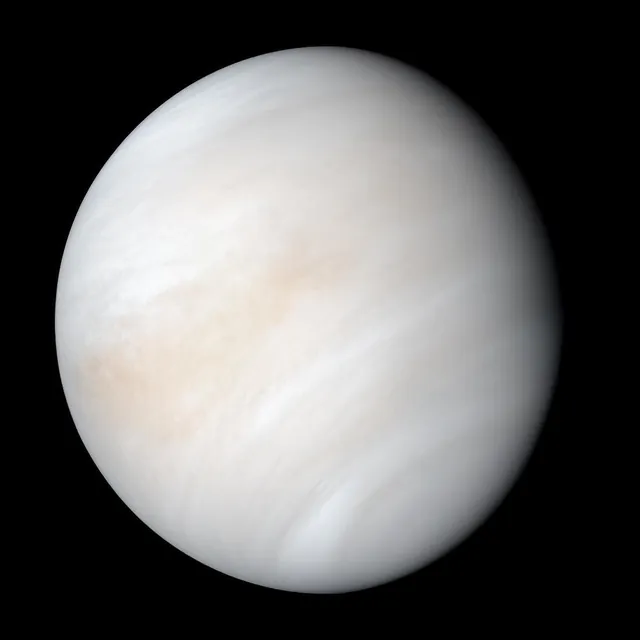 Venusrocky planet
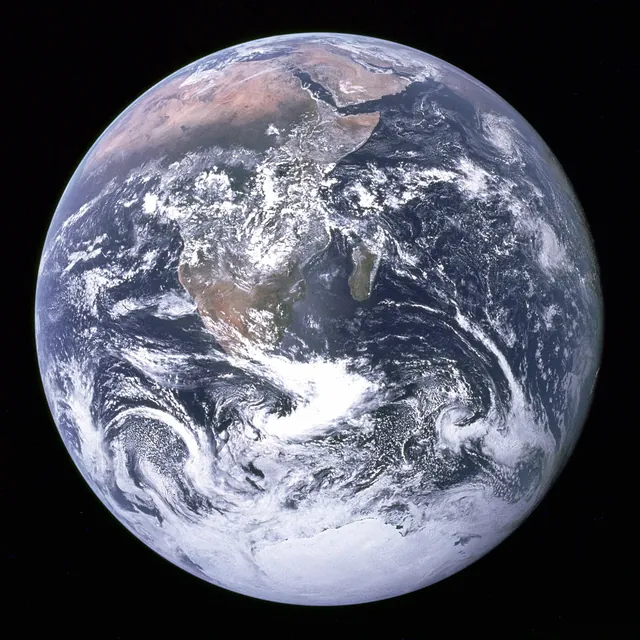 Earthrocky planet
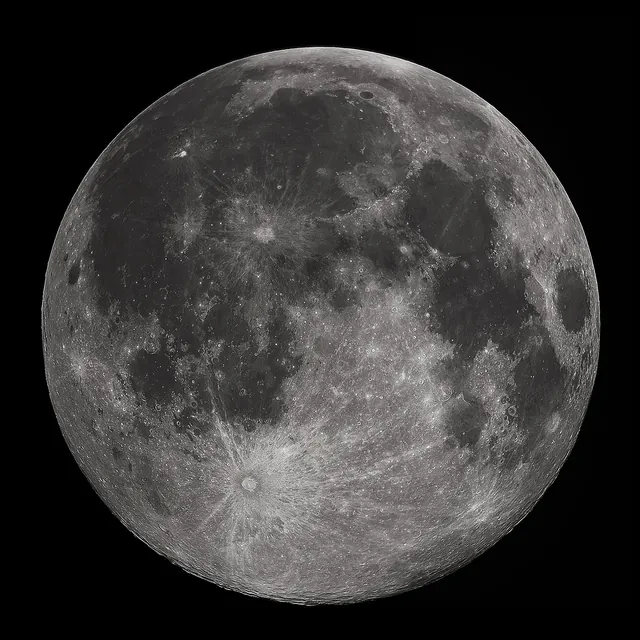 MoonEarth’s natural satellite
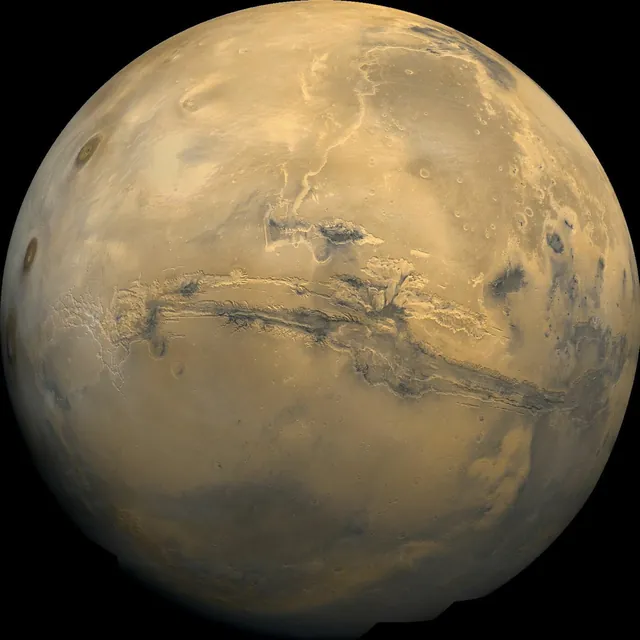 Marsrocky planet
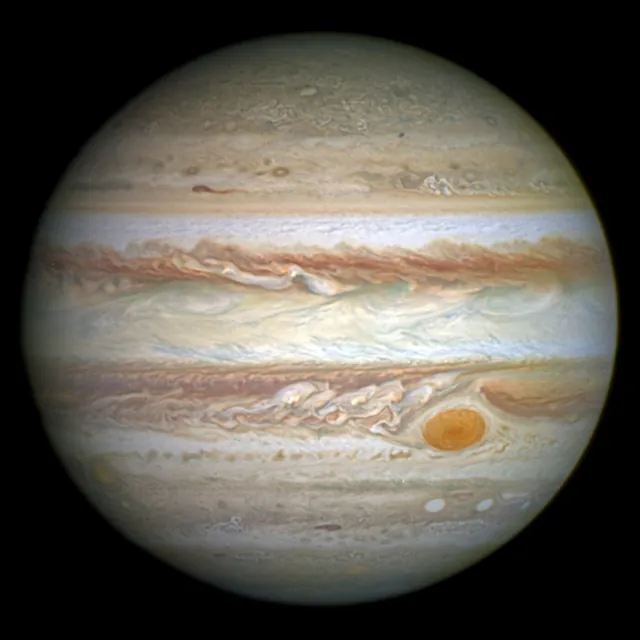 Jupitergas giant planet
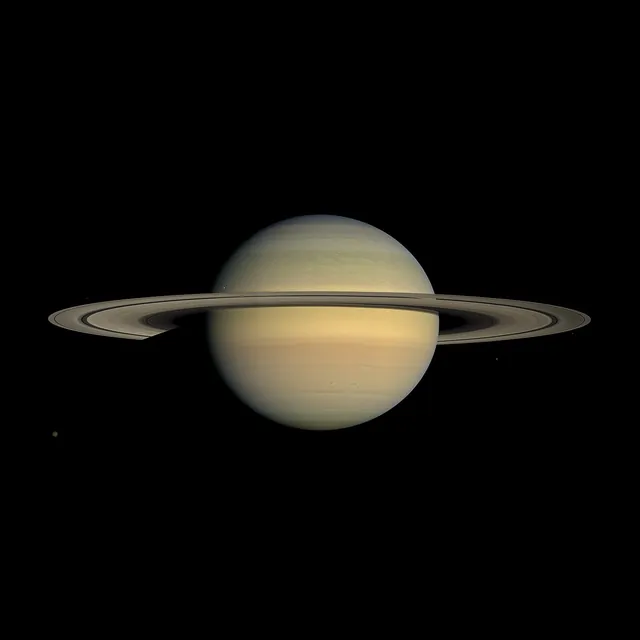 Saturngas giant planet
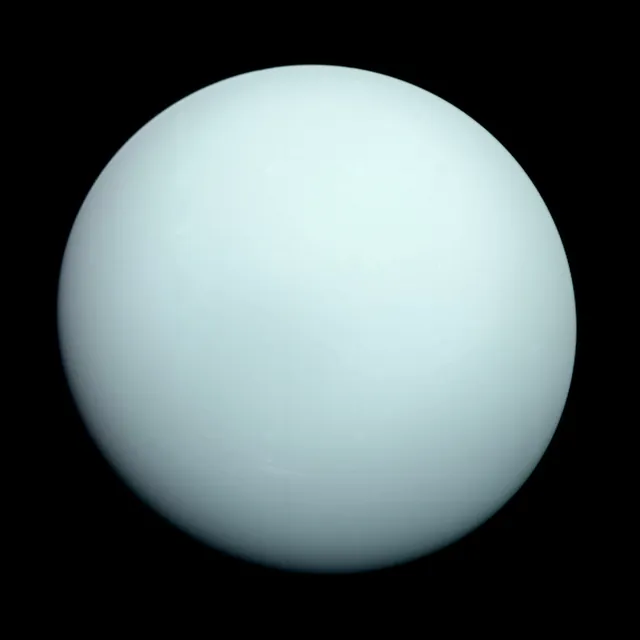 Uranusice giant planet
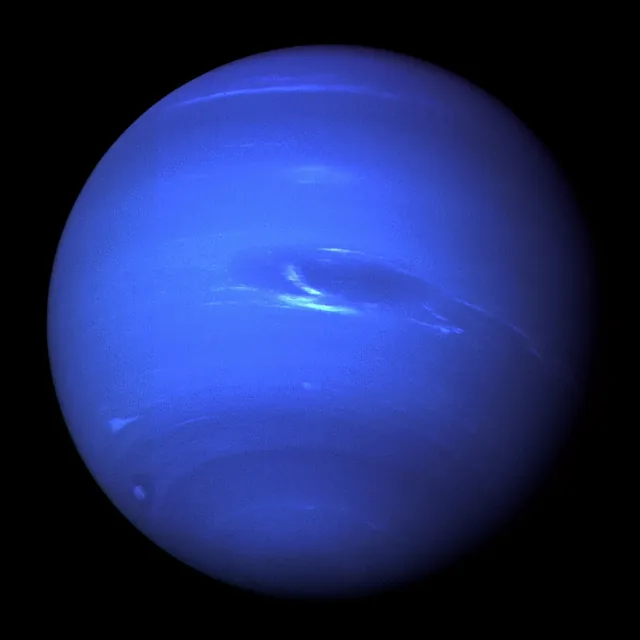 Neptuneice giant planet
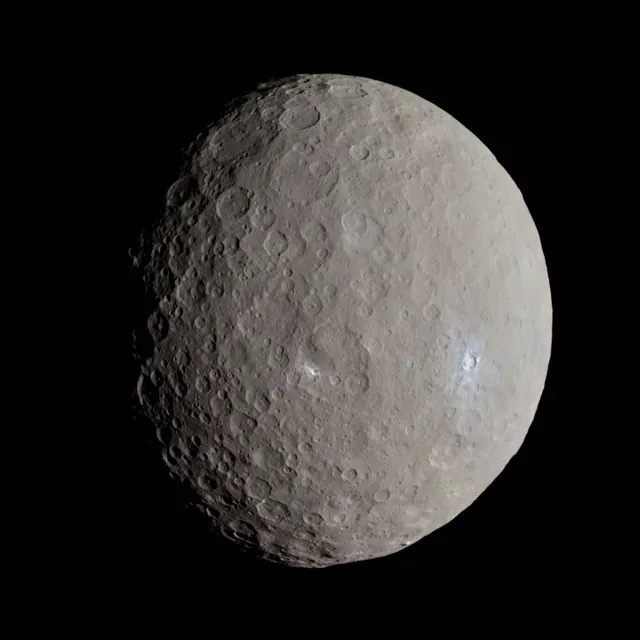 Ceresdwarf planet in the asteroid belt
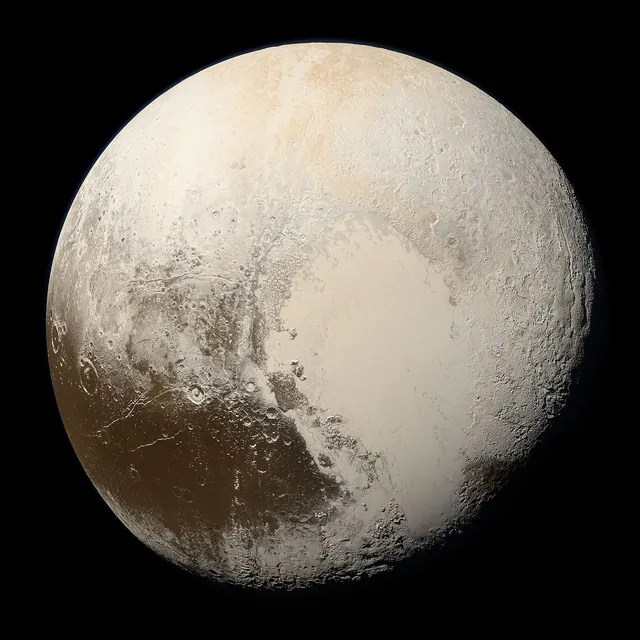 Plutodwarf planetHaumeaelongated dwarf planetMakemakedistant dwarf planetErisdistant dwarf planet