1Overview
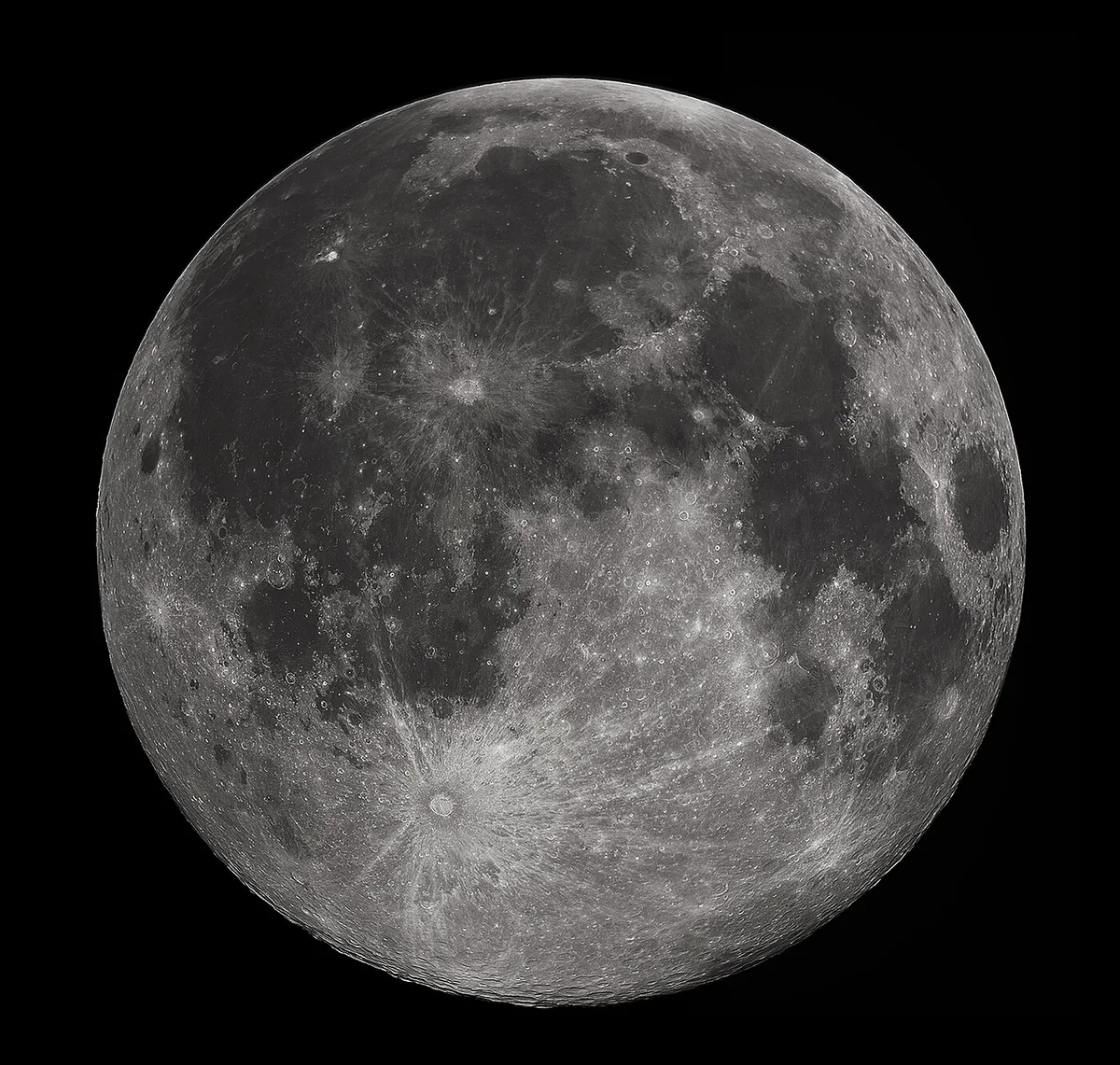
The Moon is the Earth’s only natural satellite and the closest celestial body to us. It probably formed about 4.5 billion years ago, when a body the size of Mars struck the young Earth: the debris thrown out gathered in orbit.
It spins exactly in the time it takes to go round the Earth: that is why it always shows us the same face. Its surface is covered with large dark plains of cooled lava, the “seas”, and bright cratered highlands. It is moving away from the Earth by about 3.8 cm a year.
The Moon gives off no light of its own: it reflects sunlight. Depending on the positions of the Sun, Earth and Moon, we see a larger or smaller part of it lit up: these are the phases, which repeat every 29.5 days.
2Observing it
Working it out…
The Moon is the best object to start with: binoculars are enough to see its seas and large craters. The best time is not full Moon but the first and last quarters: along the line dividing day from night, the terminator, low shadows bring out the relief. Our phase calendar gives the dates of the next new and full Moons, and upcoming eclipses.
3Exploration
In 1959 the Soviet probe Luna 3 photographed its far side for the first time. On 20 July 1969 (US time), Neil Armstrong and Buzz Aldrin of Apollo 11 walked on the Moon; twelve astronauts set foot there up to 1972 and brought back 382 kg of rock. Since then Chinese, Indian and Japanese robots have landed, and in 2024 China brought back the first samples from the far side. The Artemis programme plans to return astronauts there.
4Other Solar System bodies
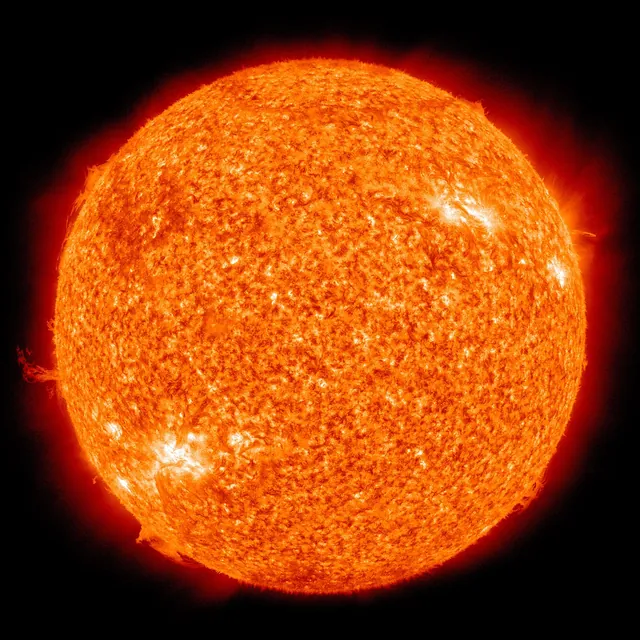 Sunstar
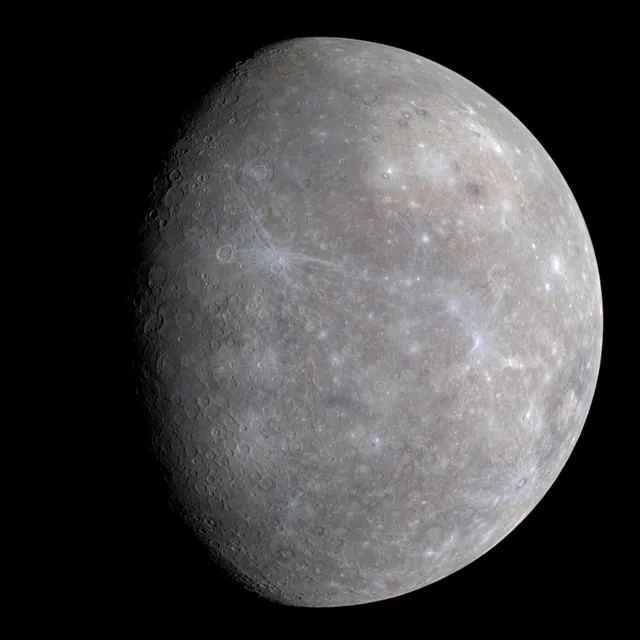 Mercuryrocky planet
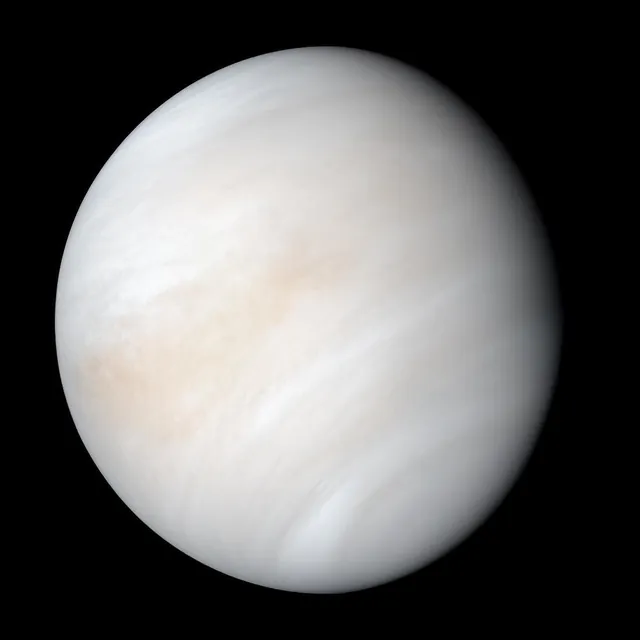 Venusrocky planet
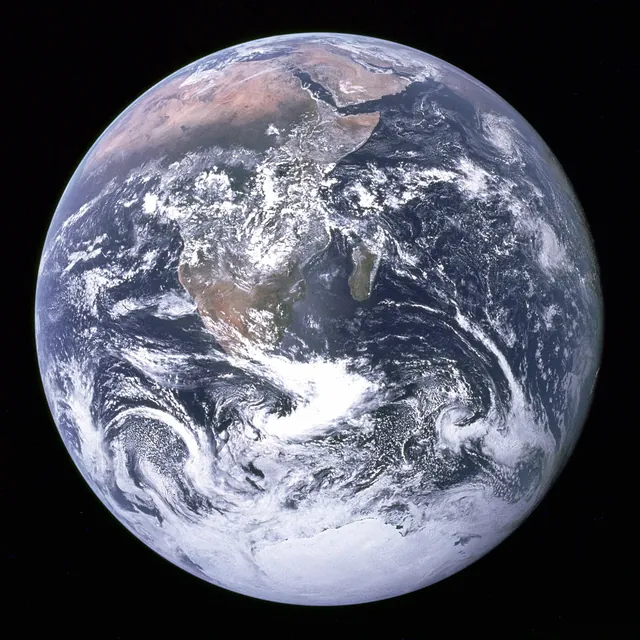 Earthrocky planet
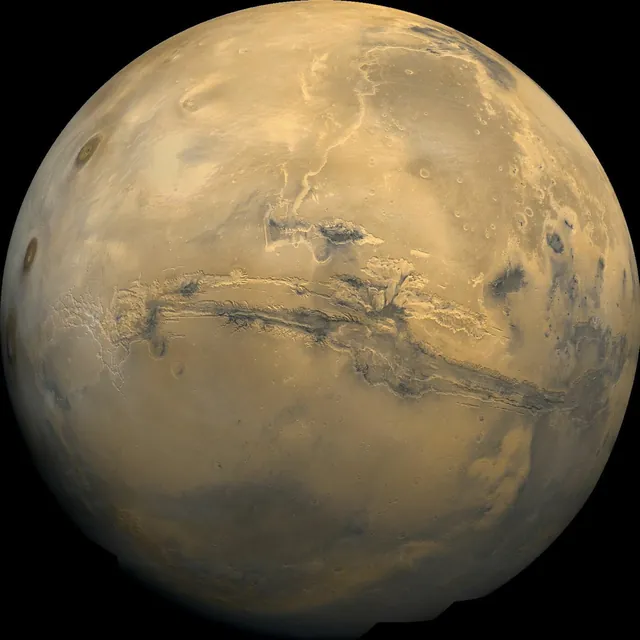 Marsrocky planet
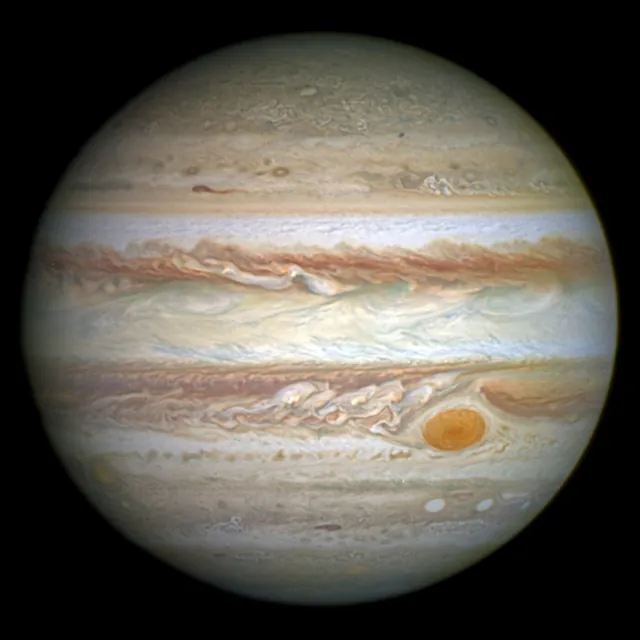 Jupitergas giant planet
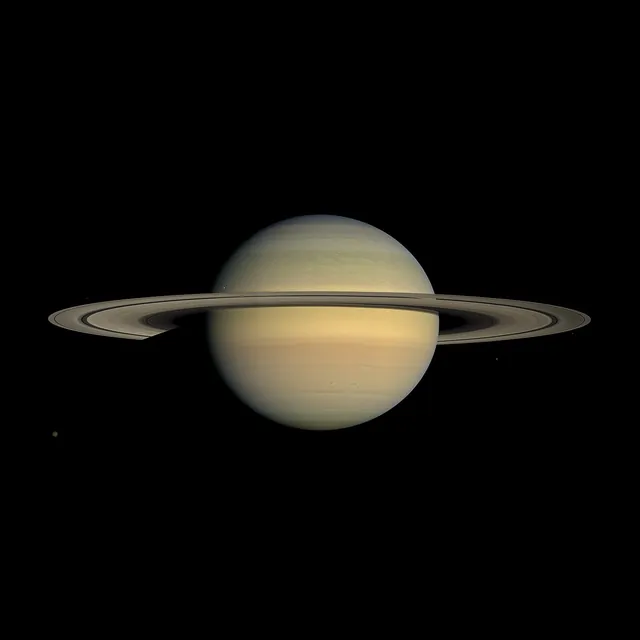 Saturngas giant planet
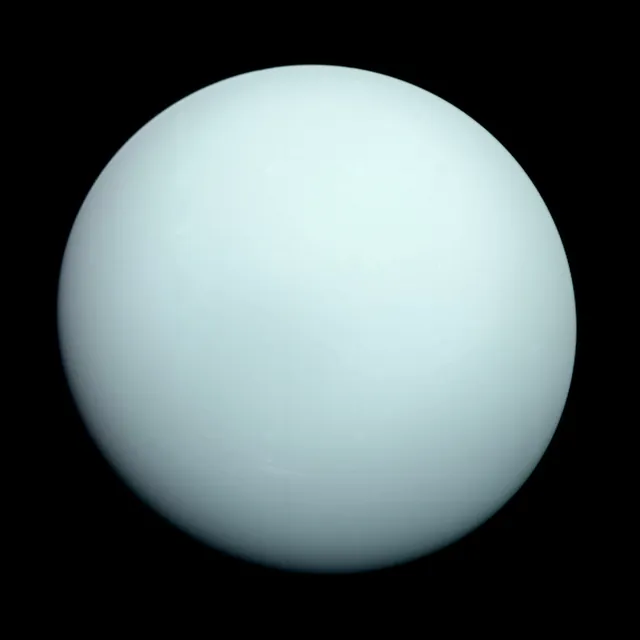 Uranusice giant planet
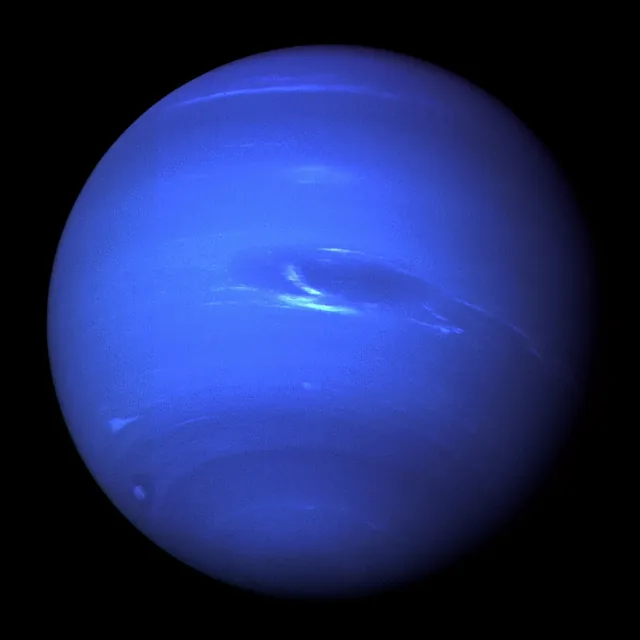 Neptuneice giant planet
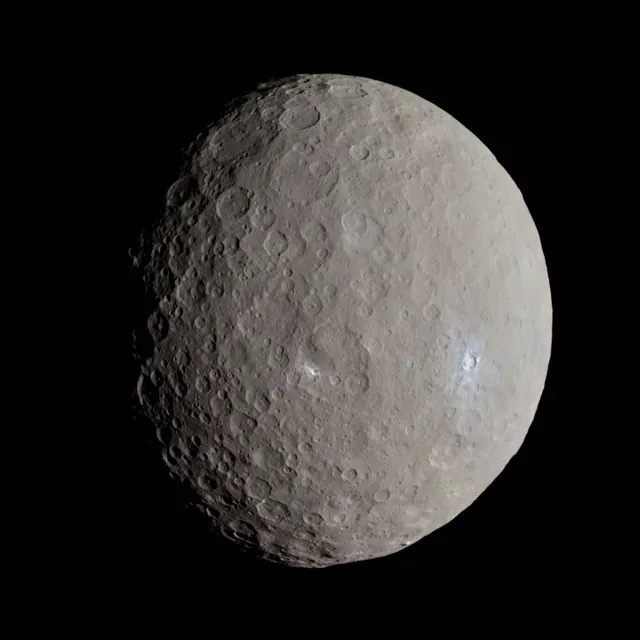 Ceresdwarf planet in the asteroid belt
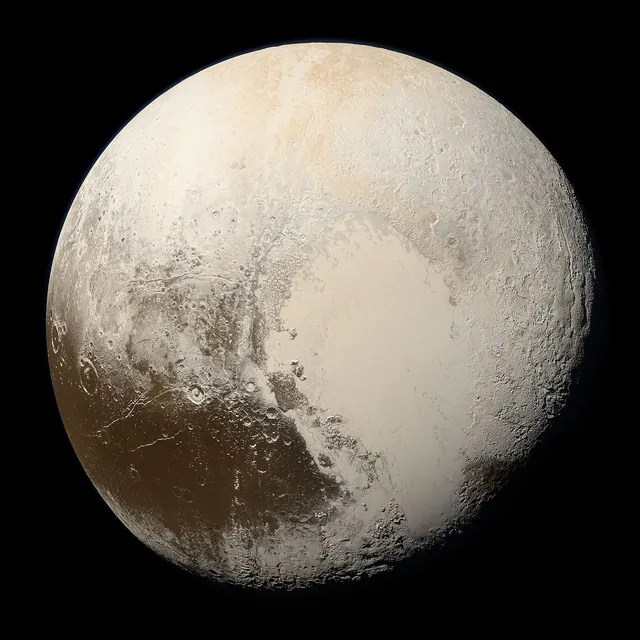 Plutodwarf planetHaumeaelongated dwarf planetMakemakedistant dwarf planetErisdistant dwarf planet