1Overview
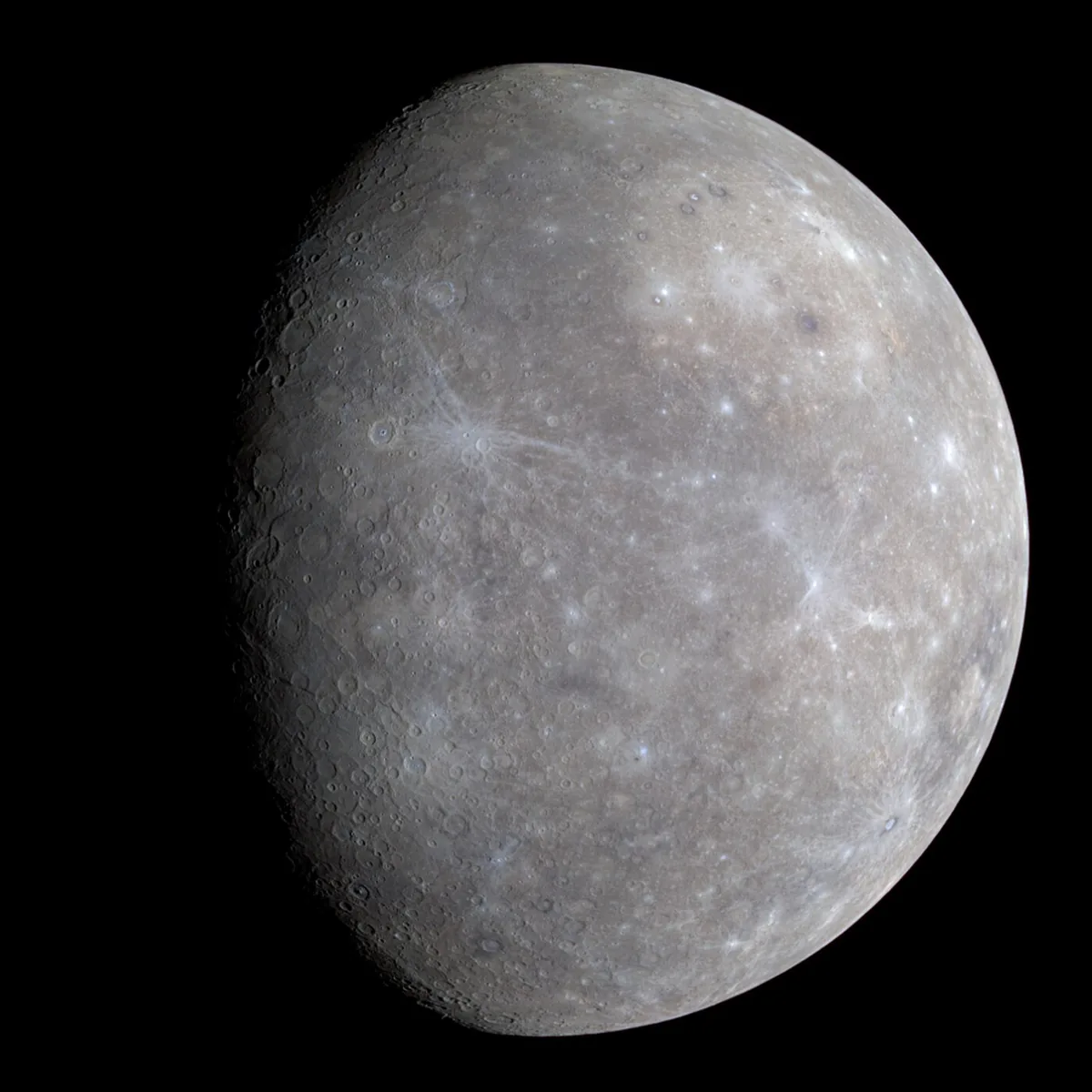
Mercury is the smallest planet in the Solar System and the closest to the Sun. It goes round the Sun in only 88 days, at nearly 48 km/s. Because it has almost no atmosphere to hold in heat, its temperatures are extreme: over 400 °C by day, −180 °C at night.
Its grey, crater-pocked surface looks like the Moon’s. Yet Mercury is very dense: a huge iron core takes up about 85% of its radius. In polar craters never lit by the Sun, the MESSENGER probe found water ice.
2Observing it
Working it out…
Mercury never strays far from the Sun in the sky (28° at most). You can only glimpse it low on the horizon just after sunset in the west, or just before sunrise in the east, for a few weeks a year around its “greatest elongations”. It then shines like a fairly bright, pinkish star. The “Tonight” page tells you whether it is visible.
3Exploration
Two probes have studied it: Mariner 10 (1974–1975) and MESSENGER, in orbit from 2011 to 2015. The European–Japanese BepiColombo mission, launched in 2018, is due to enter orbit around Mercury in 2026.
4Other Solar System bodies
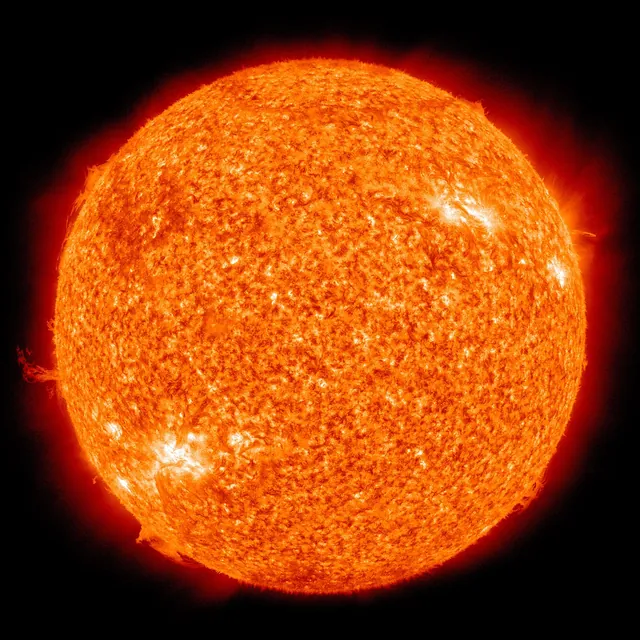 Sunstar
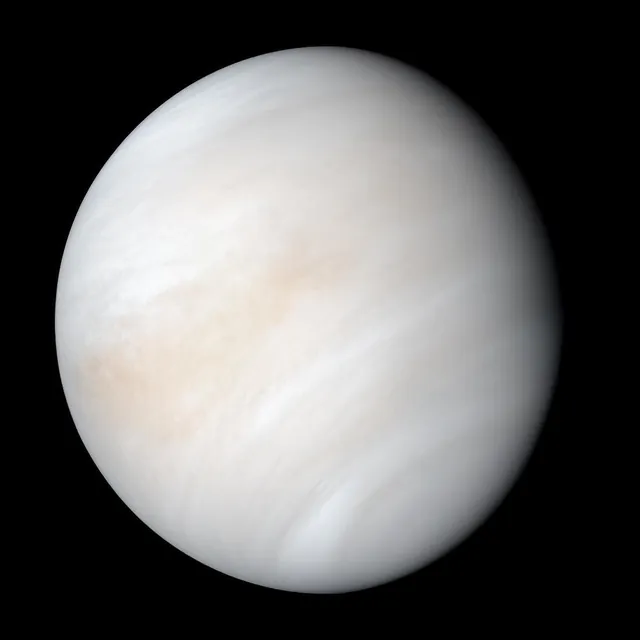 Venusrocky planet
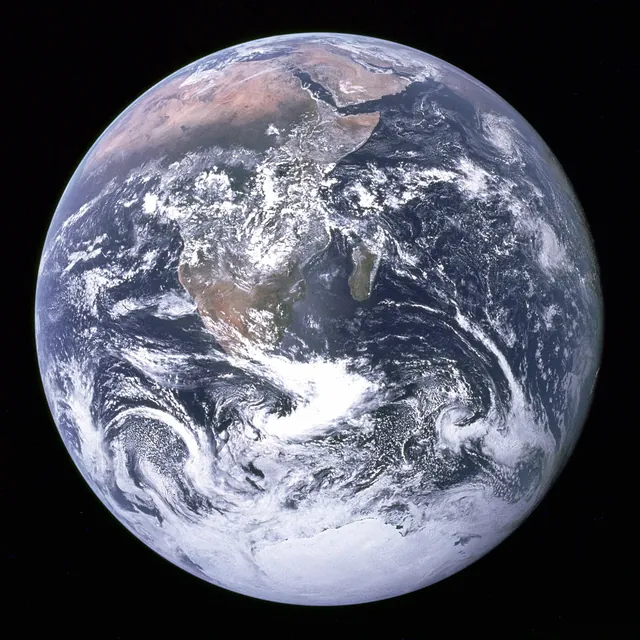 Earthrocky planet
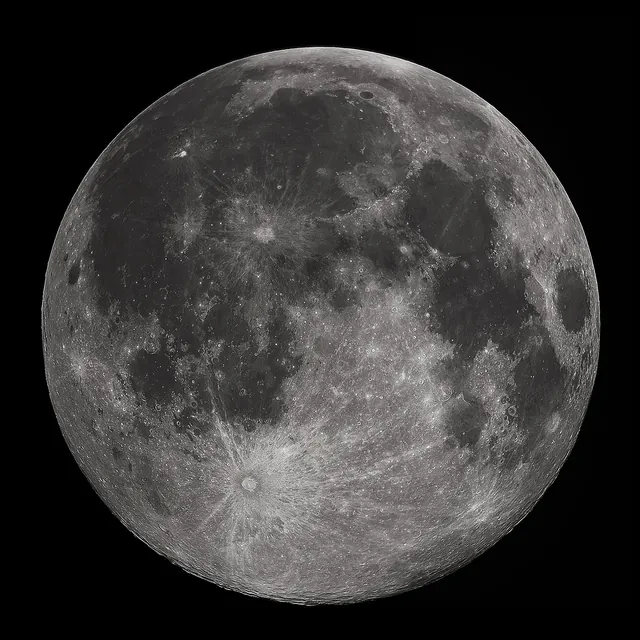 MoonEarth’s natural satellite
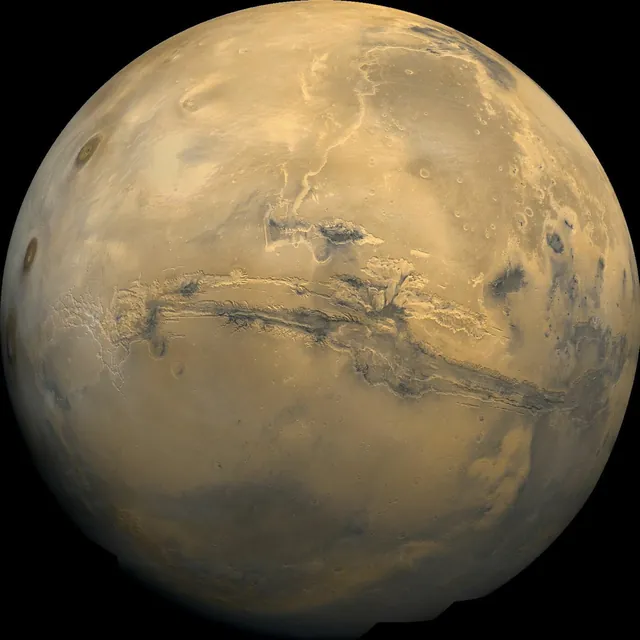 Marsrocky planet
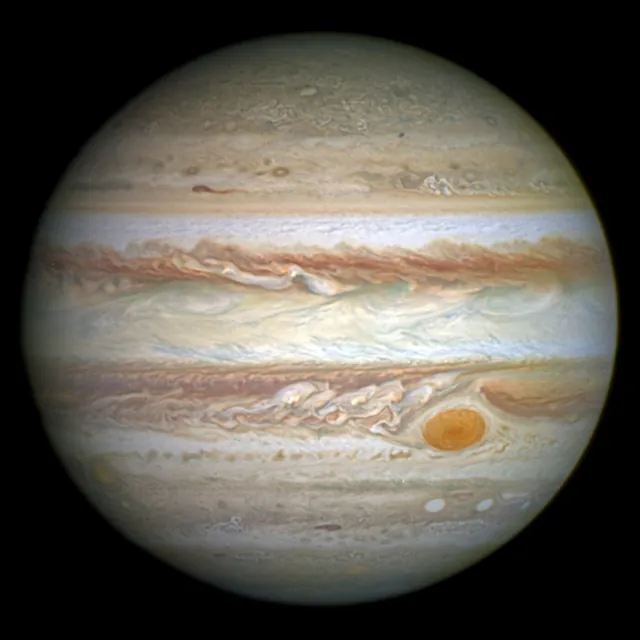 Jupitergas giant planet
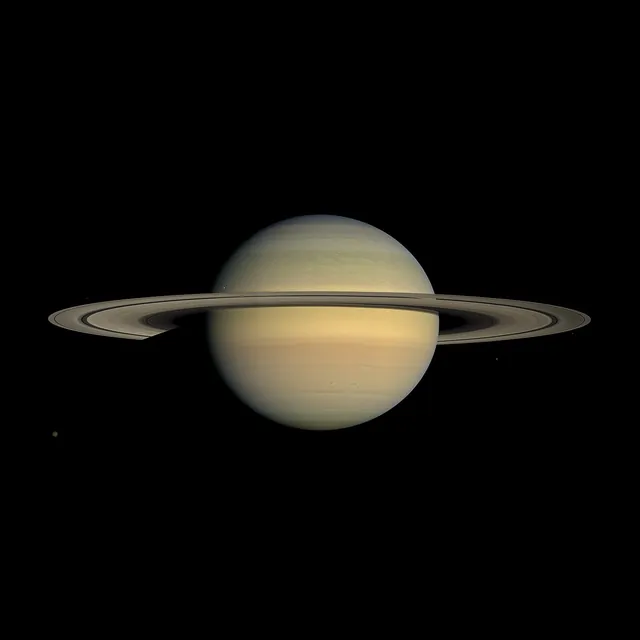 Saturngas giant planet
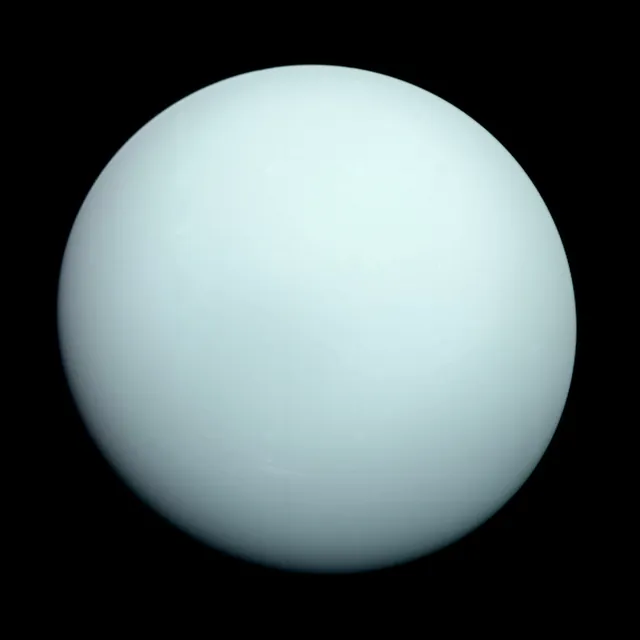 Uranusice giant planet
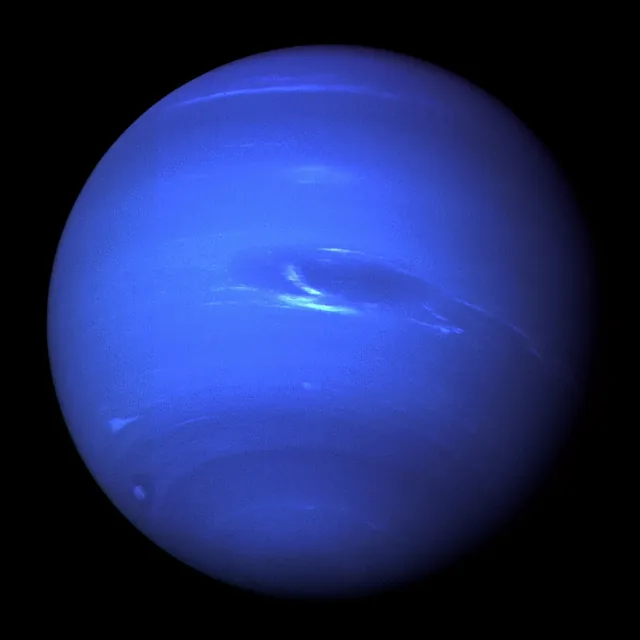 Neptuneice giant planet
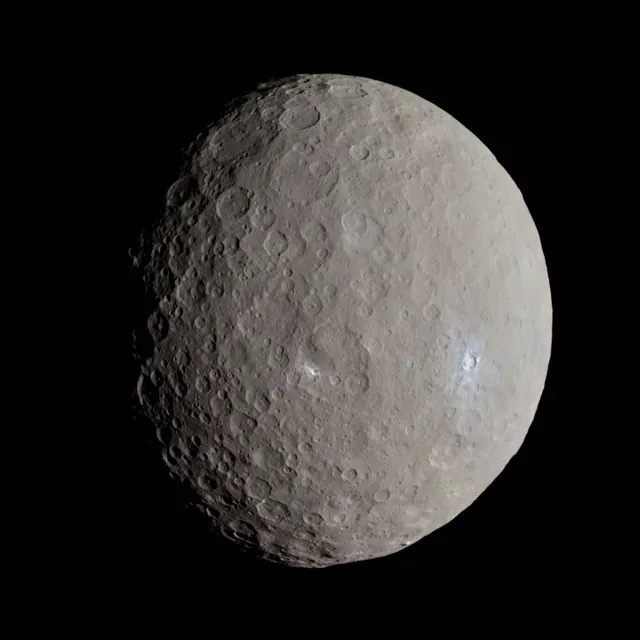 Ceresdwarf planet in the asteroid belt
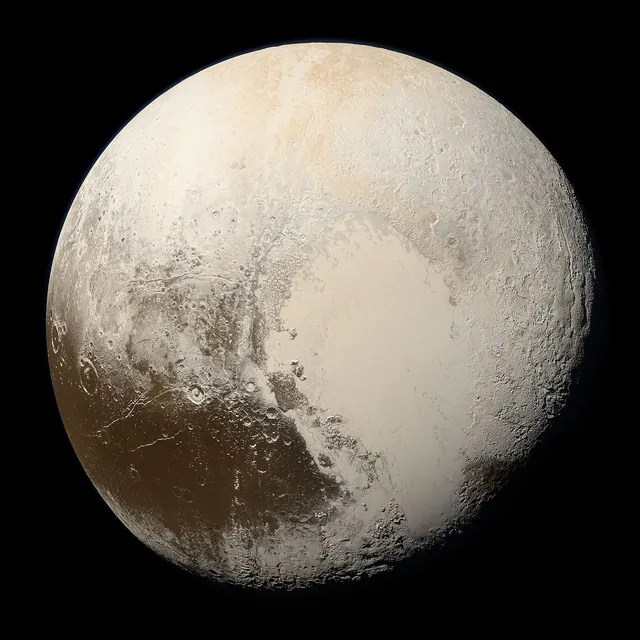 Plutodwarf planetHaumeaelongated dwarf planetMakemakedistant dwarf planetErisdistant dwarf planet