1Overview
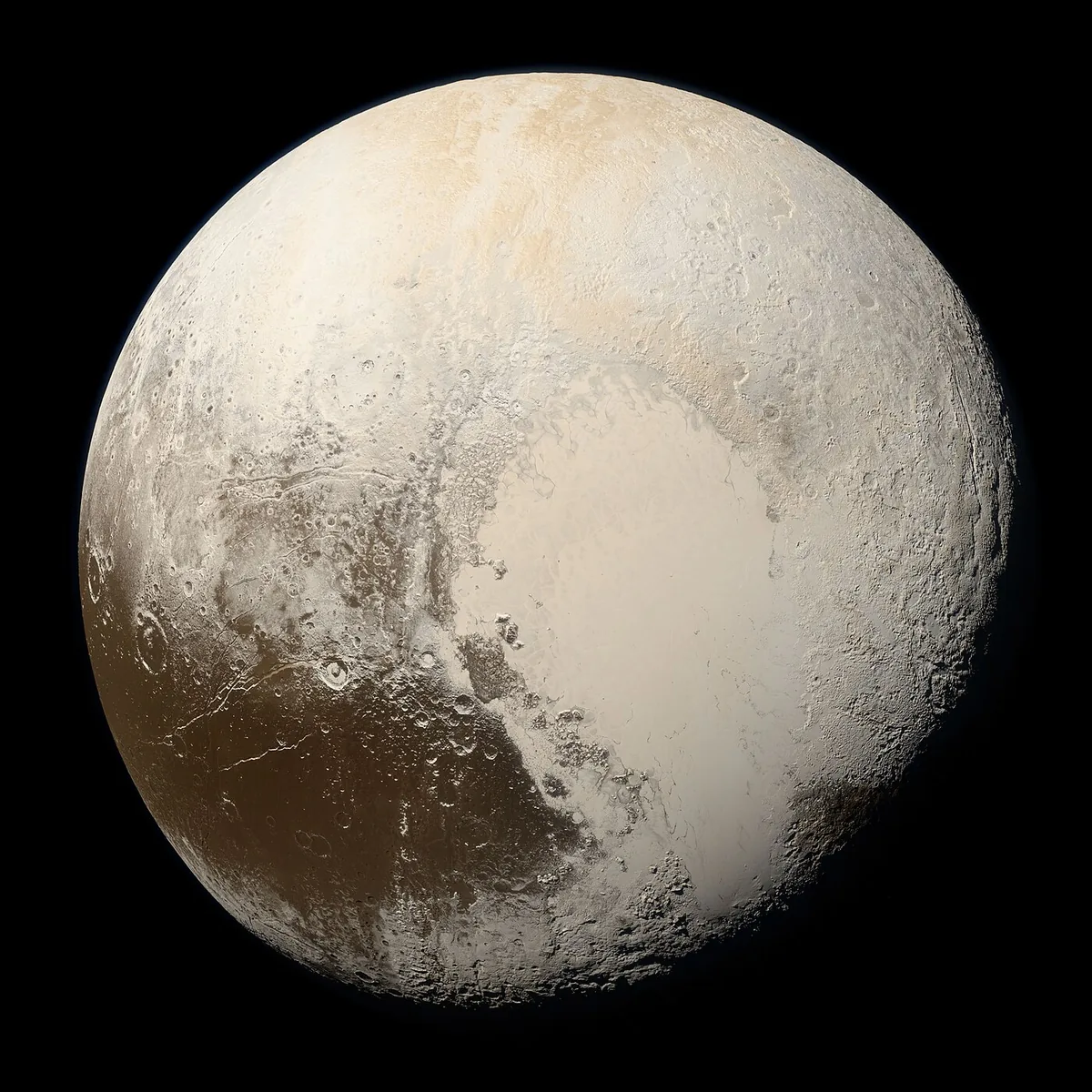
Pluto was discovered in 1930 by the young American Clyde Tombaugh and was considered the ninth planet for 76 years. In 2006 the International Astronomical Union clarified the definition of a planet: Pluto, which shares its orbit with many other Kuiper Belt bodies, became a “dwarf planet”.
Smaller than our Moon, it is nonetheless an astonishing world. In 2015 the New Horizons probe discovered mountains of water ice as high as the Alps, vast plains of nitrogen ice forming a bright “heart”, and a thin bluish atmosphere. Its moon Charon is so large, half its size, that the two bodies orbit a point between them.
2Observing it
Pluto is very faint (magnitude 14 to 15): you need a telescope of at least 20 cm aperture, a detailed chart and patience to find it, by comparing its position from one night to the next.
3Exploration
The New Horizons probe, launched in January 2006, flew past Pluto on 14 July 2015 after a nine-year journey. In 2019 it went on to fly past Arrokoth, a small snowman-shaped Kuiper Belt object, the most distant body ever visited.
4Other Solar System bodies
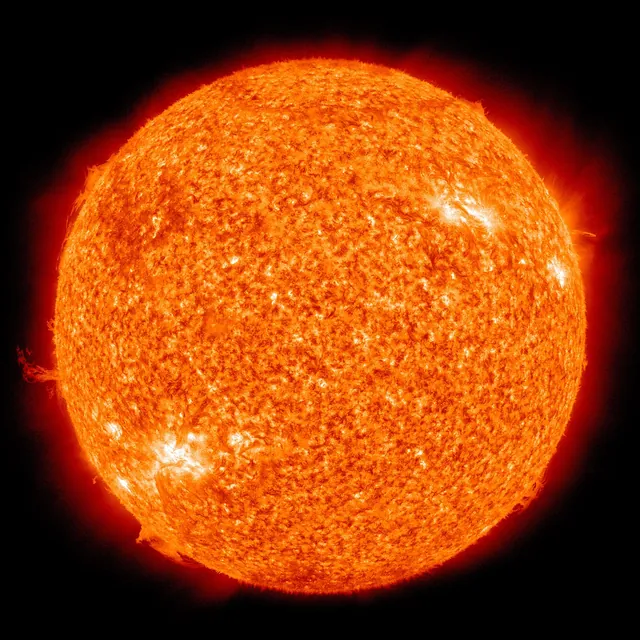 Sunstar
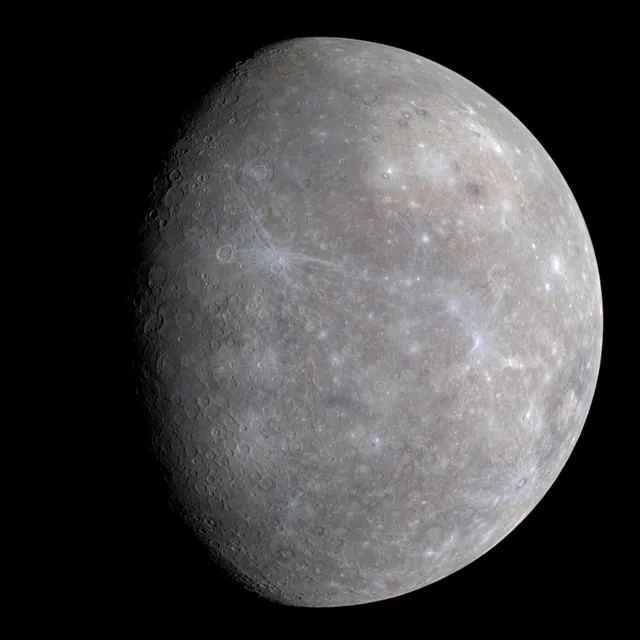 Mercuryrocky planet
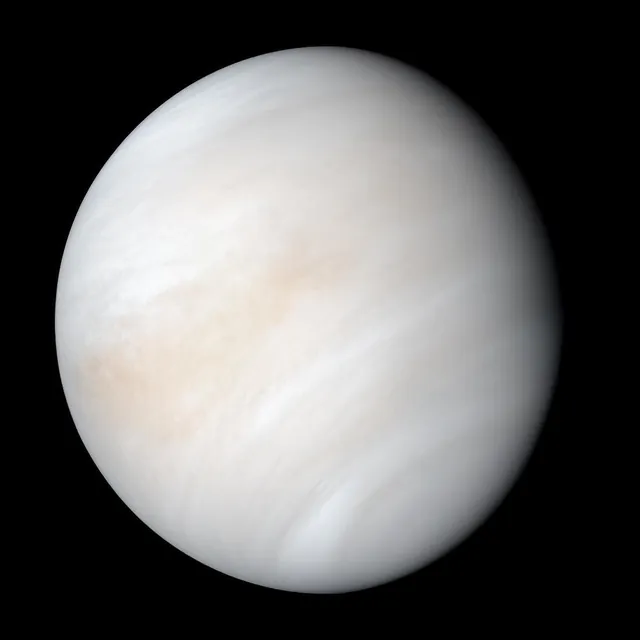 Venusrocky planet
 Earthrocky planet
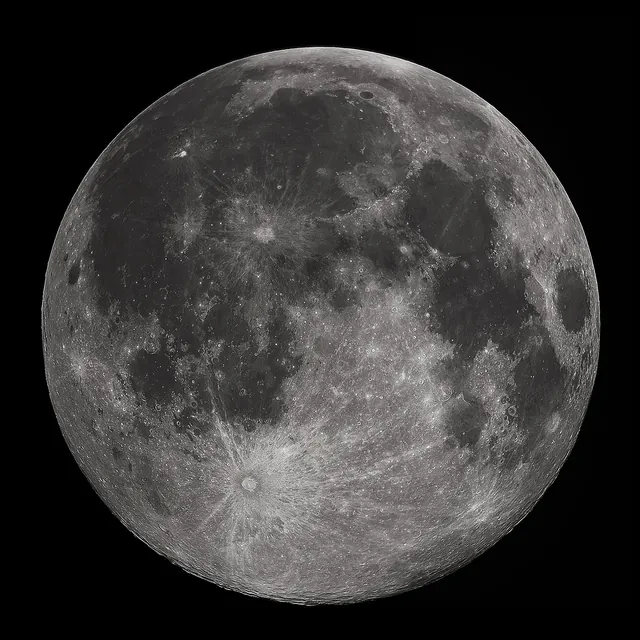 MoonEarth’s natural satellite
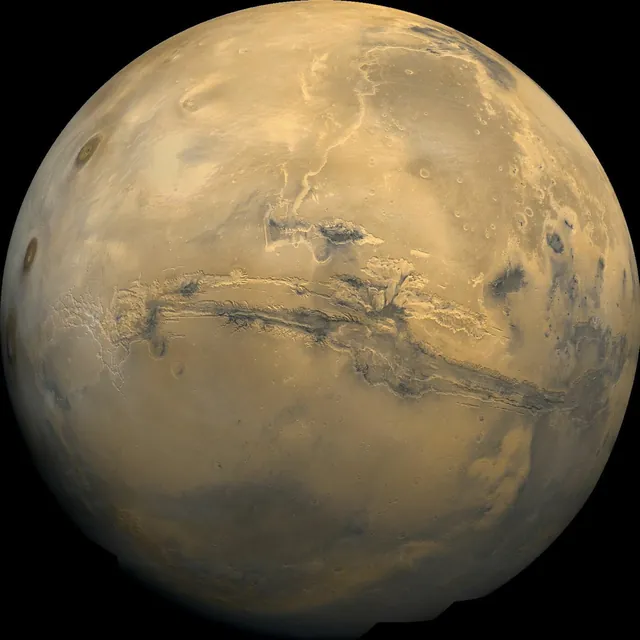 Marsrocky planet
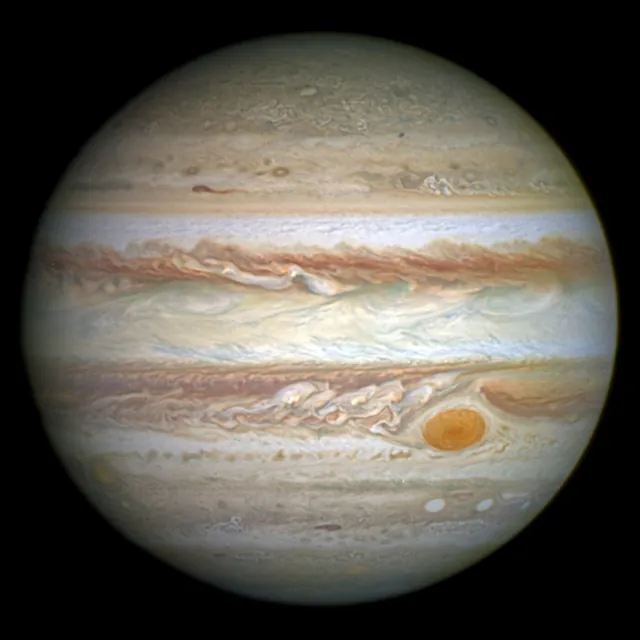 Jupitergas giant planet
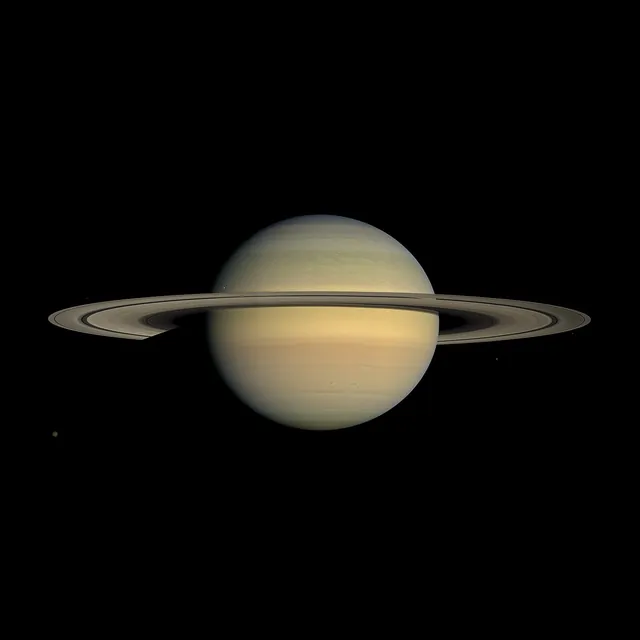 Saturngas giant planet
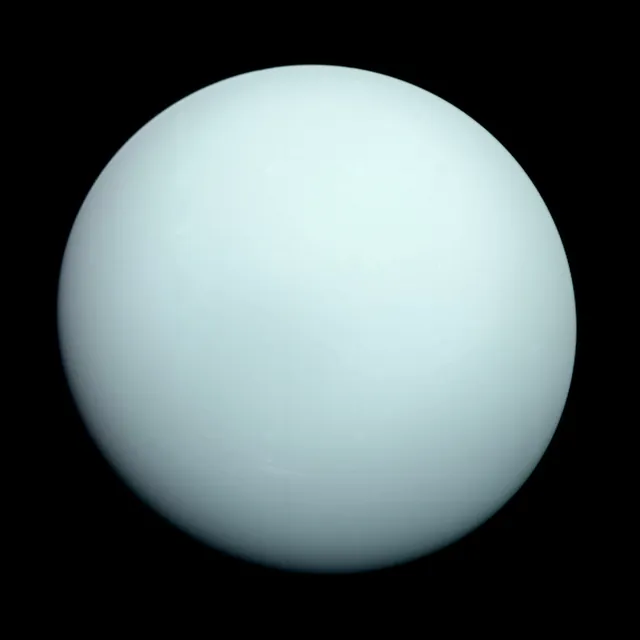 Uranusice giant planet
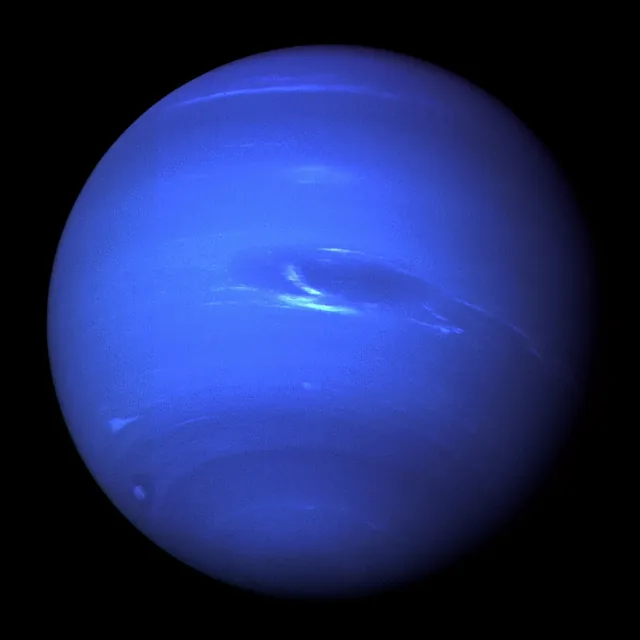 Neptuneice giant planet
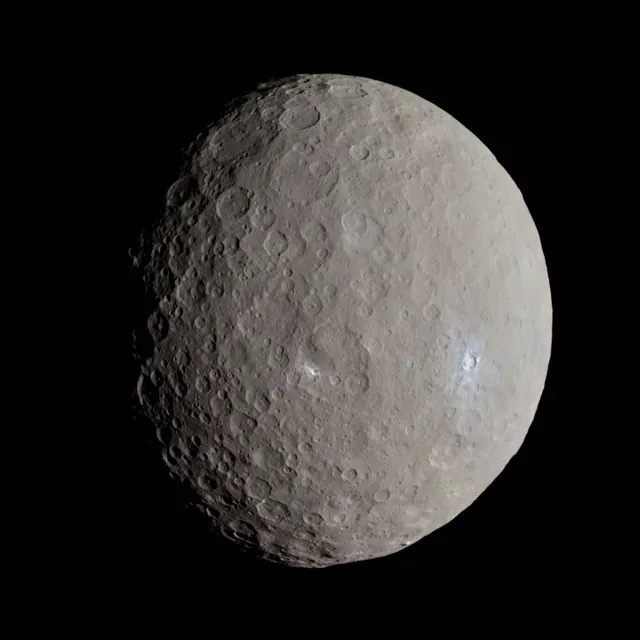 Ceresdwarf planet in the asteroid beltHaumeaelongated dwarf planetMakemakedistant dwarf planetErisdistant dwarf planet