Beyond the stars
Galaxies, nebulae and star clusters: twenty-five deep-sky wonders, from the Andromeda Galaxy, visible to the naked eye, to the Horsehead Nebula, a telescope target.
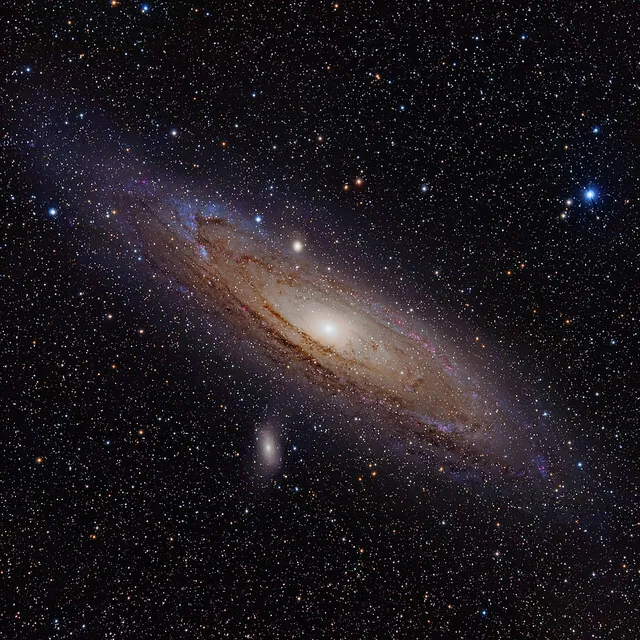 M31
The Andromeda Galaxy
AndromedaSpiral galaxy
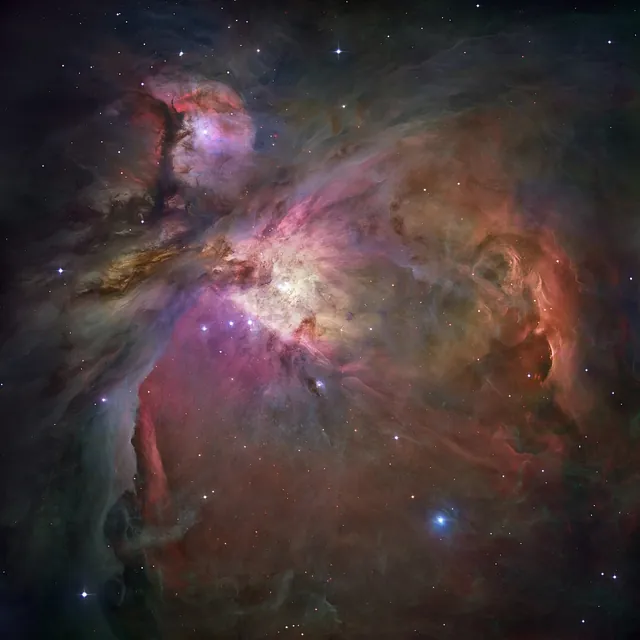 M42
The Orion Nebula
OrionEmission nebula and star nursery
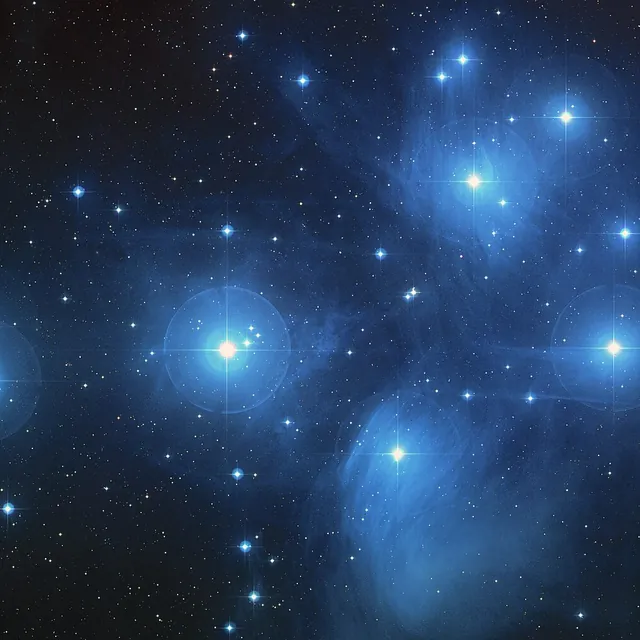 M45
The Pleiades
TaurusOpen cluster
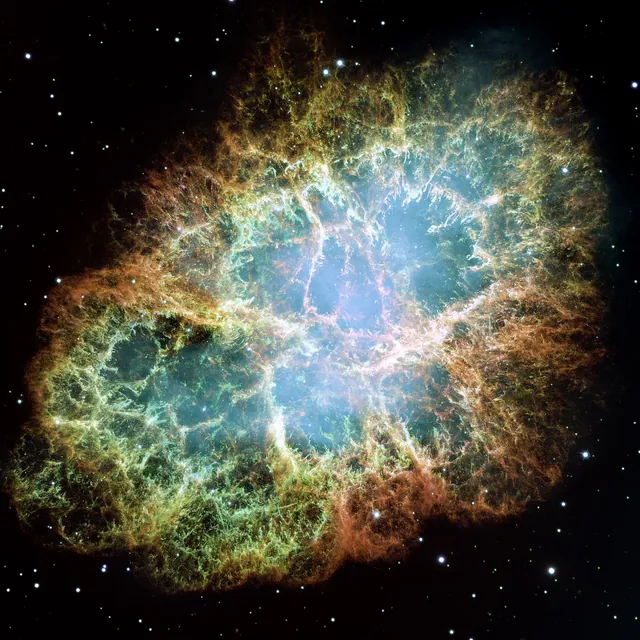 M1
The Crab Nebula
TaurusSupernova remnant
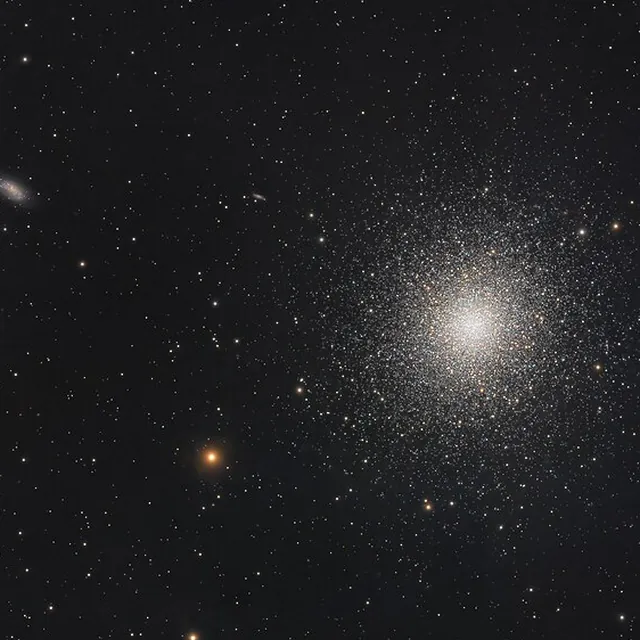 M13
The Great Hercules Cluster
HerculesGlobular cluster
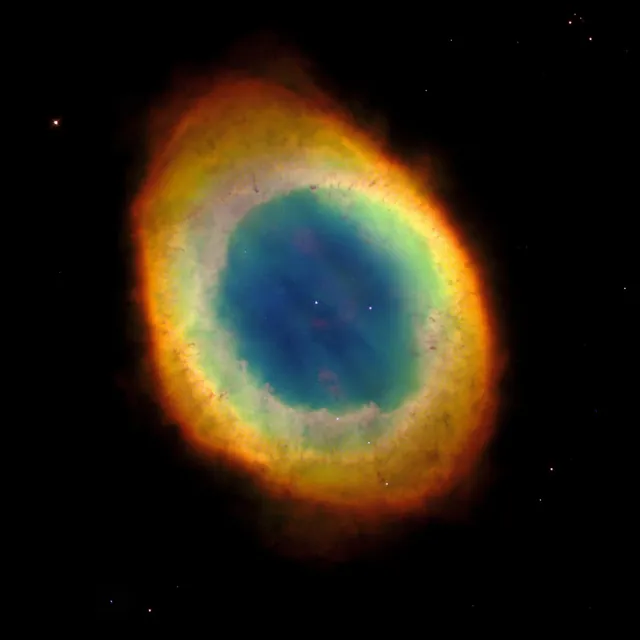 M57
The Ring Nebula
LyraPlanetary nebula
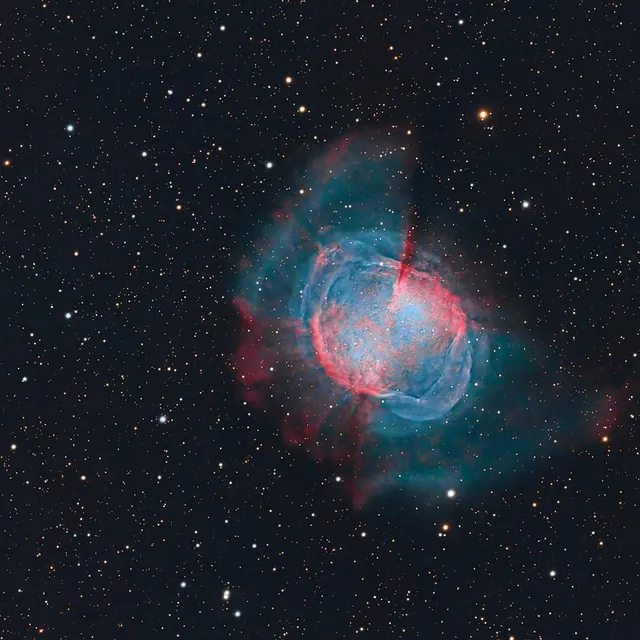 M27
The Dumbbell Nebula
VulpeculaPlanetary nebula
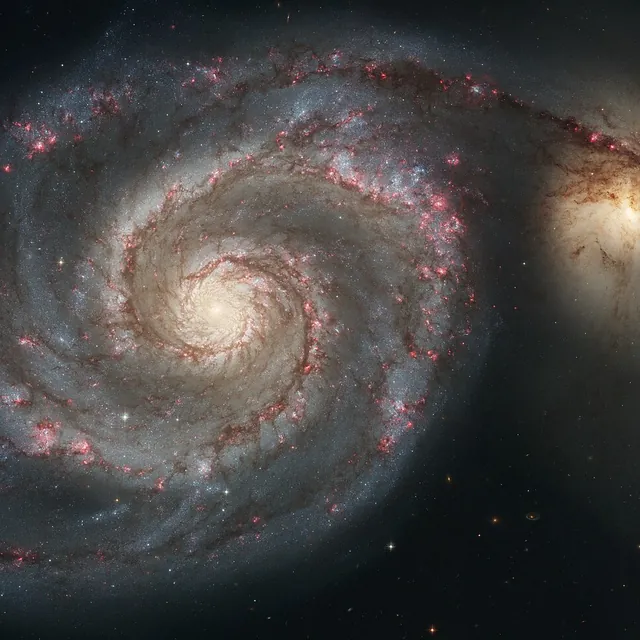 M51
The Whirlpool Galaxy
Canes VenaticiInteracting spiral galaxy
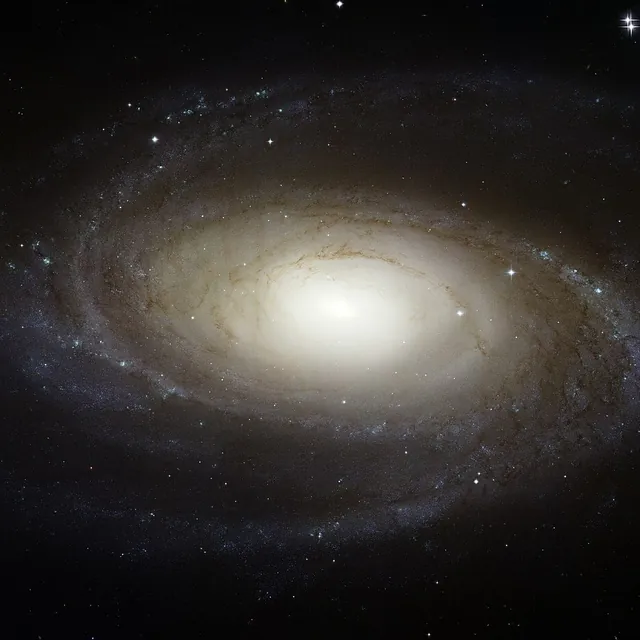 M81
Bode’s Galaxy
Ursa MajorSpiral galaxy
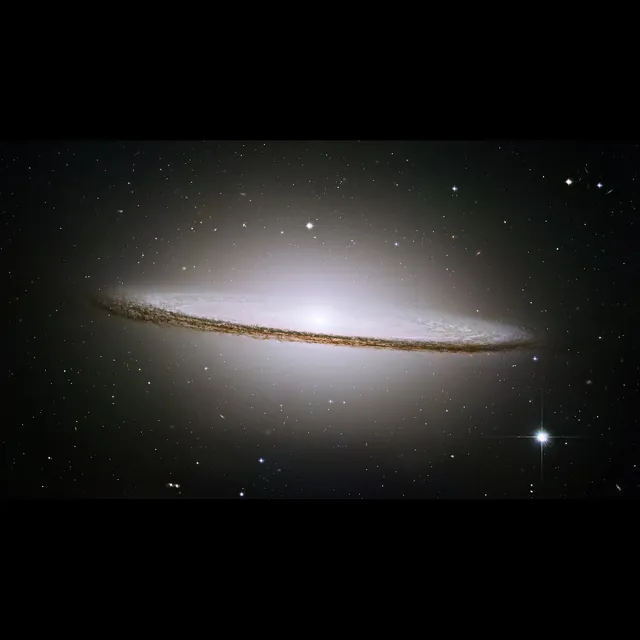 M104
The Sombrero Galaxy
VirgoEdge-on spiral galaxy
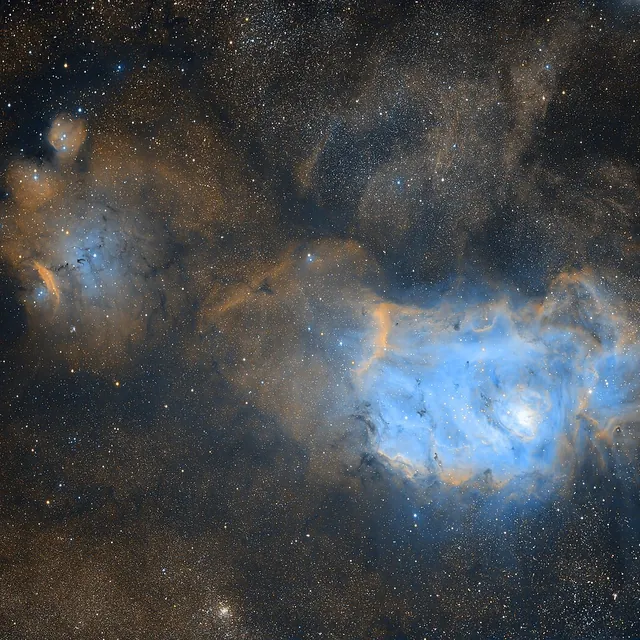 M8
The Lagoon Nebula
SagittariusEmission nebula
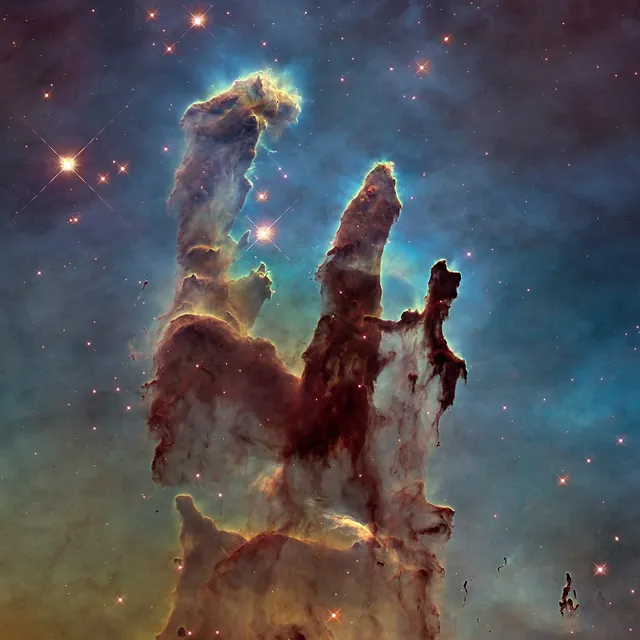 M16
The Eagle Nebula
SerpensCluster and emission nebula
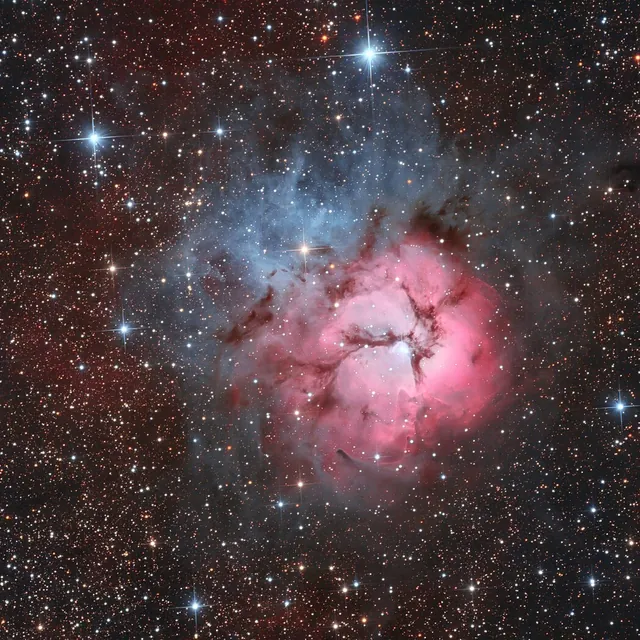 M20
The Trifid Nebula
SagittariusEmission and reflection nebula
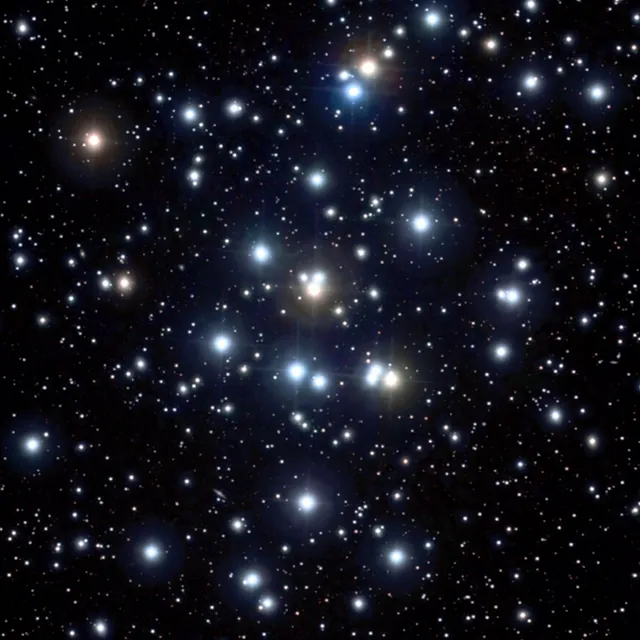 M44
The Beehive Cluster
CancerOpen cluster
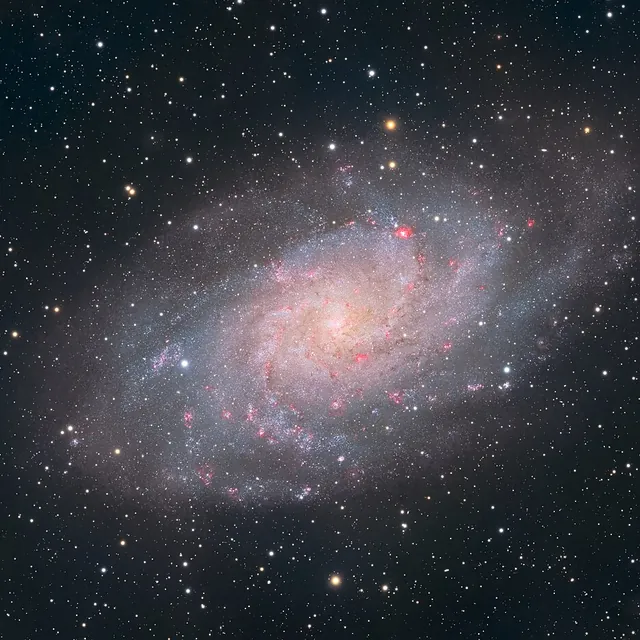 M33
The Triangulum Galaxy
TriangulumSpiral galaxy
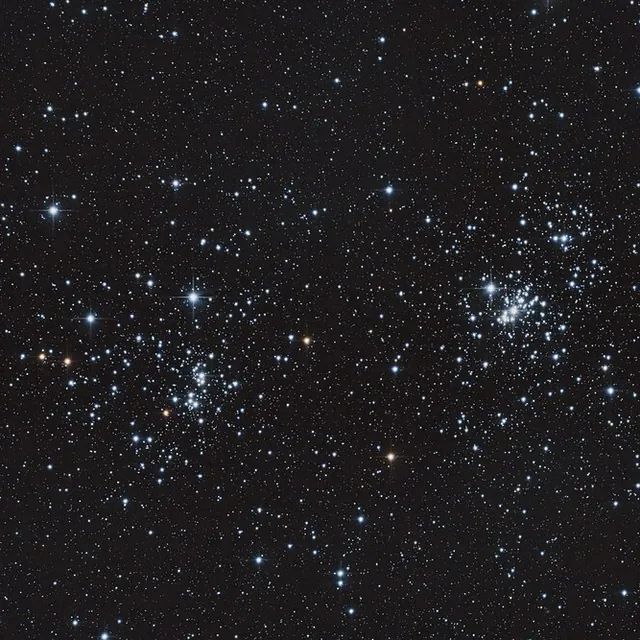 NGC 869
The Double Cluster
PerseusPair of open clusters
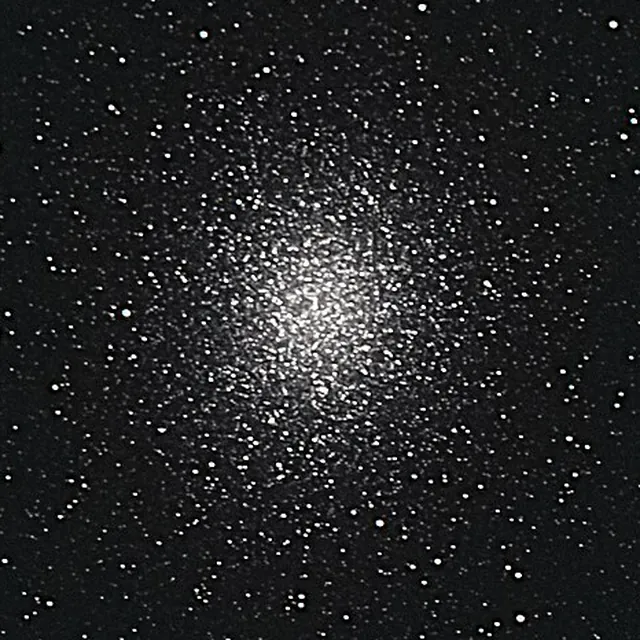 NGC 5139
Omega Centauri
CentaurusGiant globular cluster
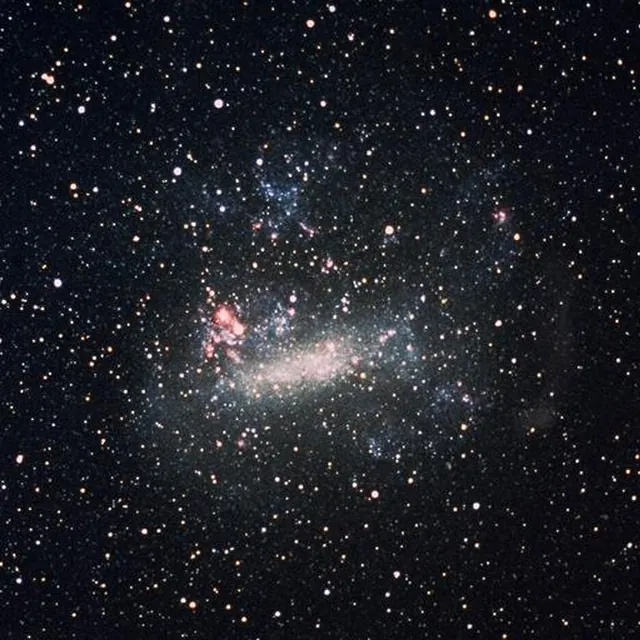 LMC
The Large Magellanic Cloud
DoradoSatellite galaxy
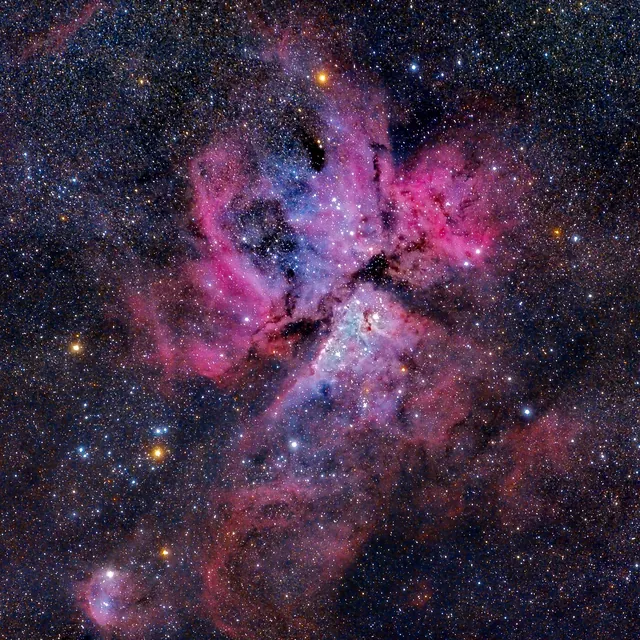 NGC 3372
The Carina Nebula
CarinaGiant emission nebula
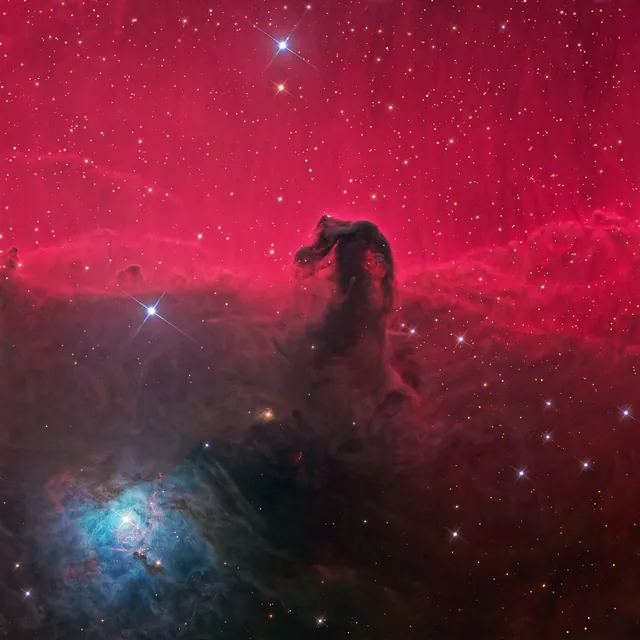 B33
The Horsehead Nebula
OrionDark nebula
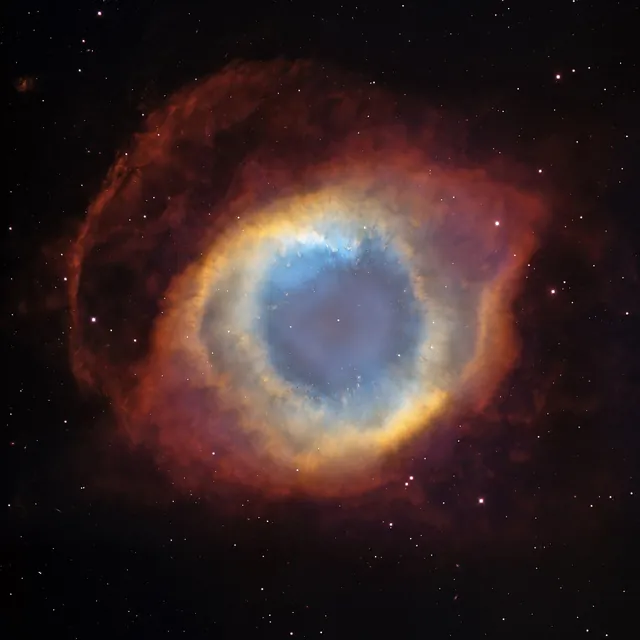 NGC 7293
The Helix Nebula
AquariusPlanetary nebula
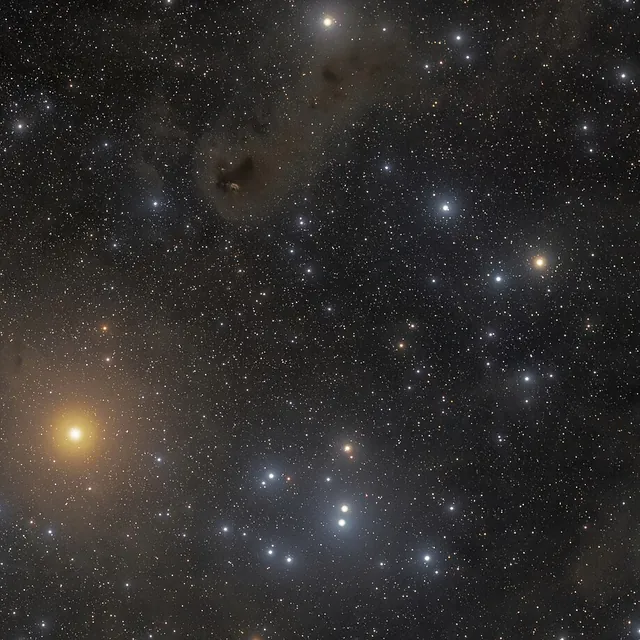 Mel 25
The Hyades
TaurusOpen cluster
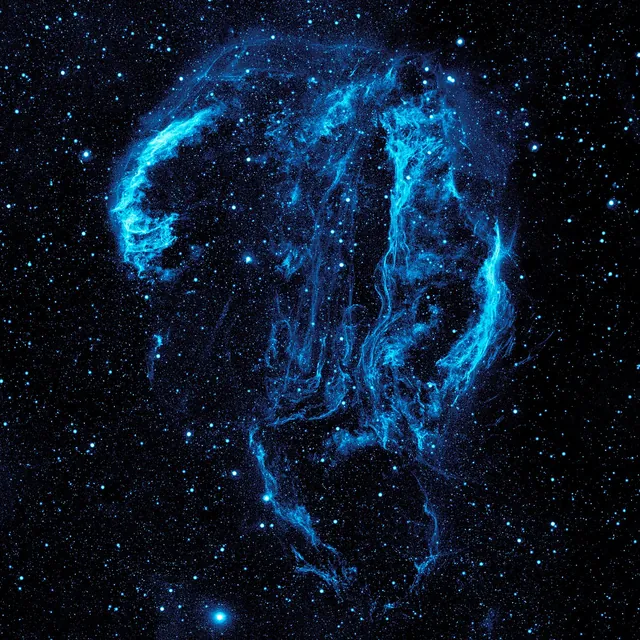 NGC 6960
The Veil Nebula
CygnusSupernova remnant
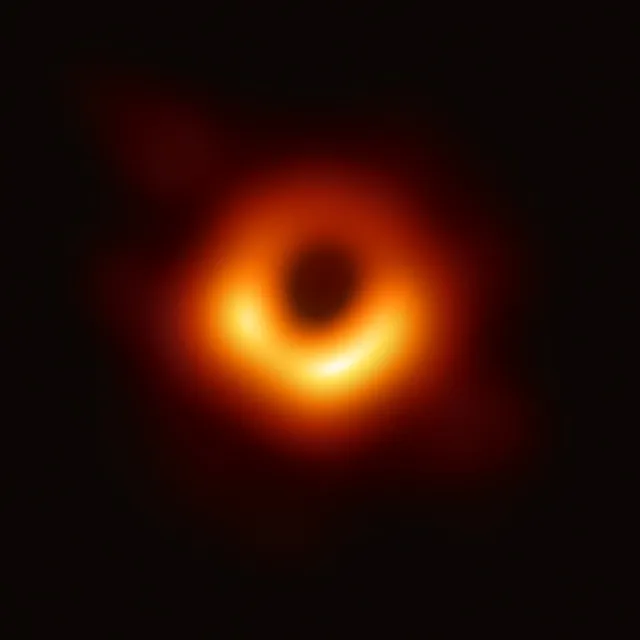 M87
The galaxy M87 and its black hole
VirgoGiant elliptical galaxy
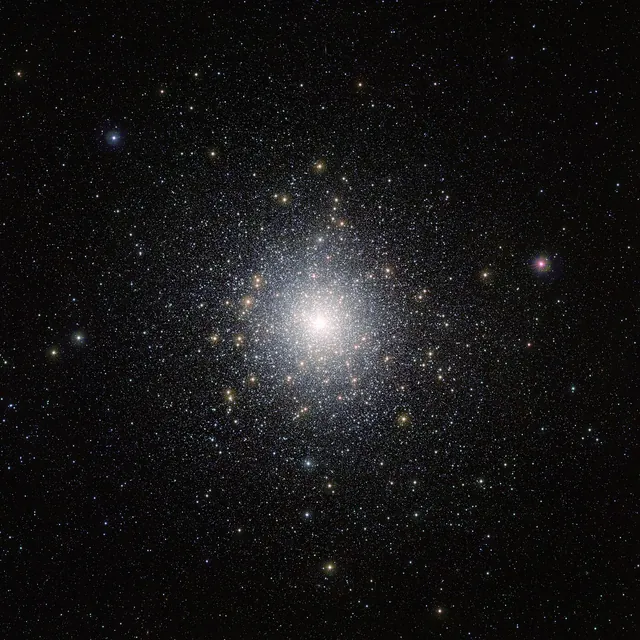 NGC 104
47 Tucanae
TucanaGlobular cluster
The photographs come from Wikimedia Commons; the author and licence of each are given on its page and in the credits. Long-exposure photos show far more detail and colour than the eye can see through an eyepiece. Credits
Deep-sky catalogues
In the 18th century the comet hunter Charles Messier listed the fuzzy patches that could be mistaken for comets: his catalogue now has 110 objects, numbered M1 to M110, among the finest in the northern sky. The New General Catalogue (NGC), published in 1888 by John Louis Emil Dreyer, and its supplements, the Index Catalogues (IC), list more than 13,000 objects.
To observe the deep sky, what matters most is a dark sky: away from towns, with no Moon, after twenty minutes or so in the dark so that your eyes can adapt.