1Overview
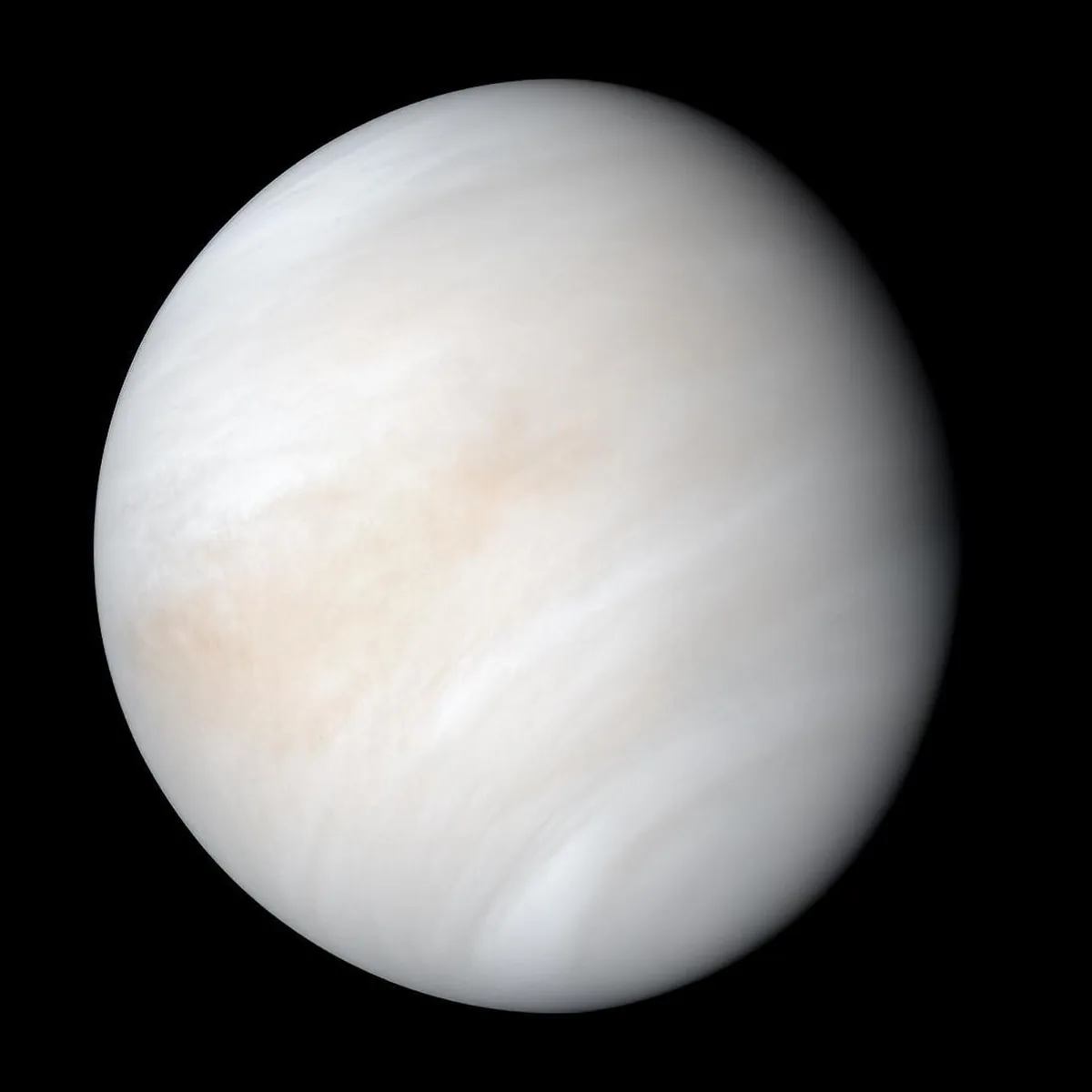
Venus is almost the size of the Earth, but it is hell. Its thick atmosphere of carbon dioxide, 90 times denser than ours, traps the Sun’s heat in a runaway greenhouse effect: the temperature is 465 °C, hotter than on Mercury, hot enough to melt lead. Clouds of sulphuric acid cover it completely and hide its volcanic surface.
Venus spins very slowly, and backwards: the Sun rises in the west there. One rotation takes 243 Earth days, longer than its 225-day year.
2Observing it
Working it out…
After the Sun and Moon, Venus is the brightest object in the sky (up to magnitude −4.6). It is often called the “Evening Star” or “Morning Star”: it shines in the west after sunset, or in the east before dawn, depending on the period. In a small telescope or steadily mounted binoculars you can see its phases, like the Moon’s: Galileo discovered them in 1610, a proof that Venus orbits the Sun.
3Exploration
The Soviet Venera probes were the first to land on another planet and send back pictures, in 1975, before being destroyed by the heat within two hours. The American Magellan probe (1990–1994) mapped its surface by radar through the clouds. New missions are being prepared for the 2030s.
4Other Solar System bodies
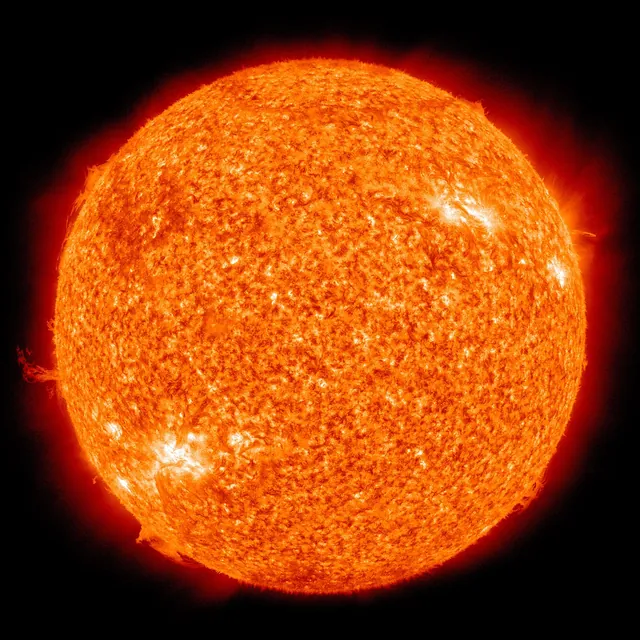 Sunstar
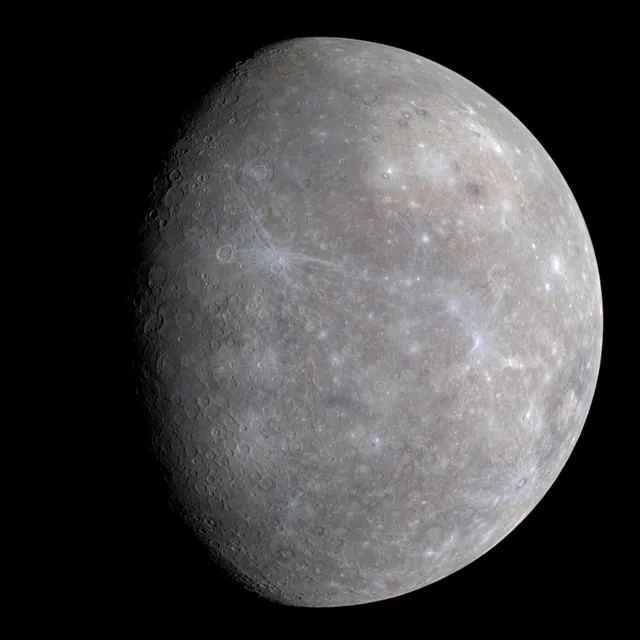 Mercuryrocky planet
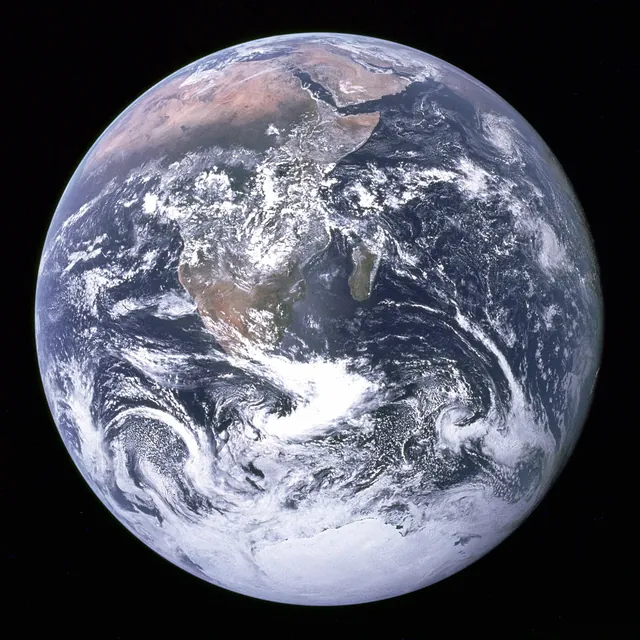 Earthrocky planet
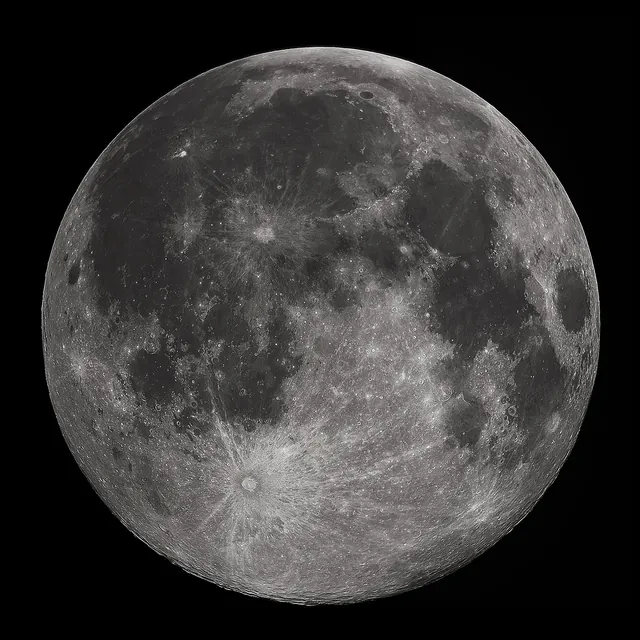 MoonEarth’s natural satellite
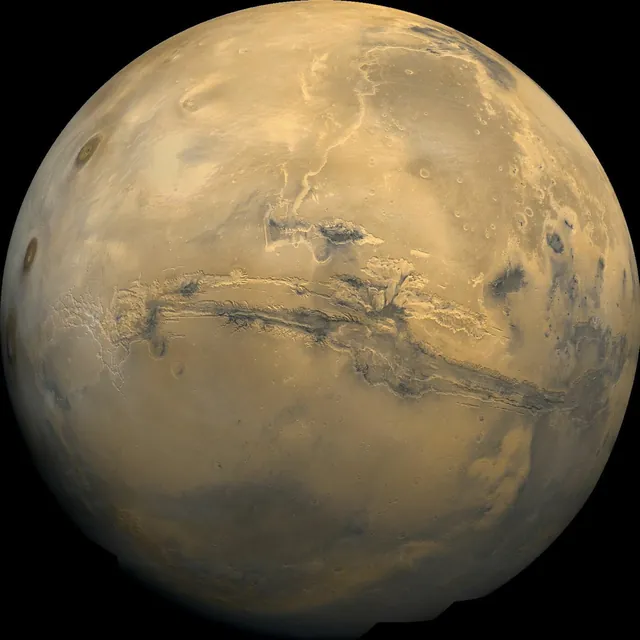 Marsrocky planet
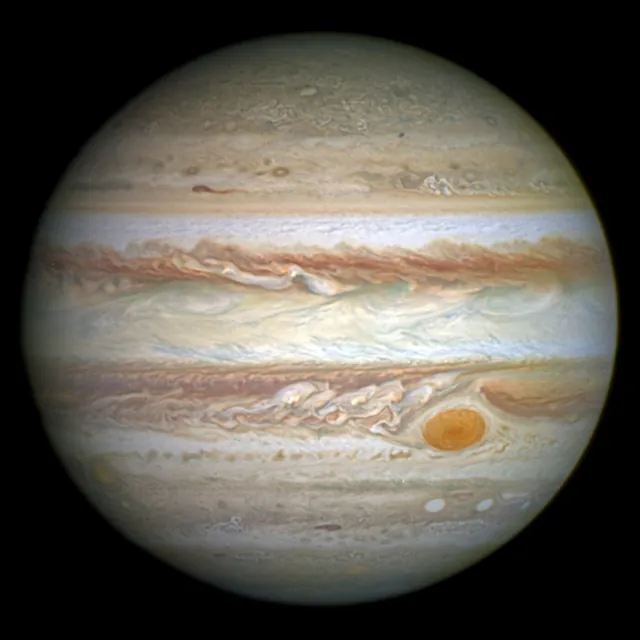 Jupitergas giant planet
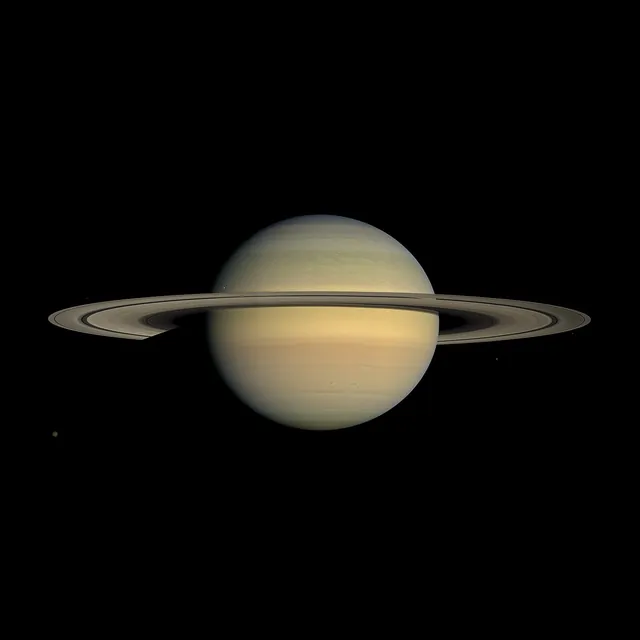 Saturngas giant planet
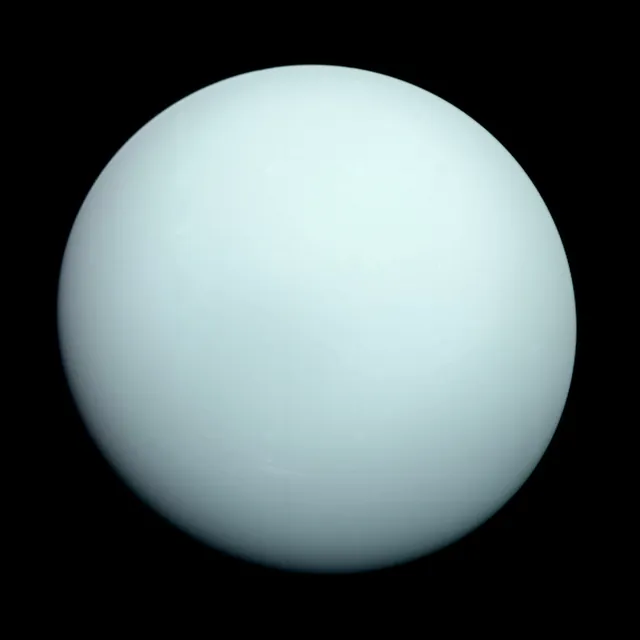 Uranusice giant planet
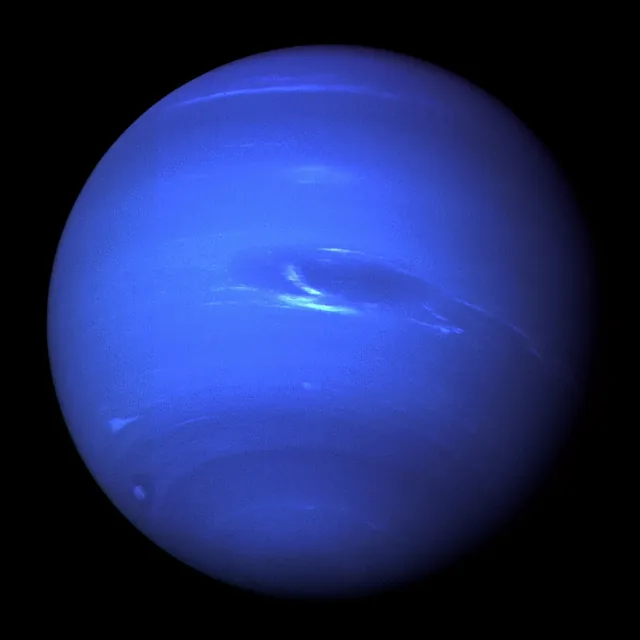 Neptuneice giant planet
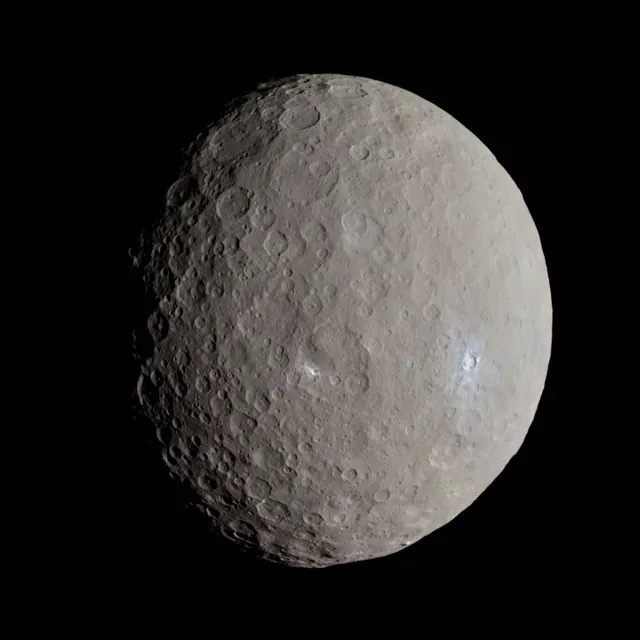 Ceresdwarf planet in the asteroid belt
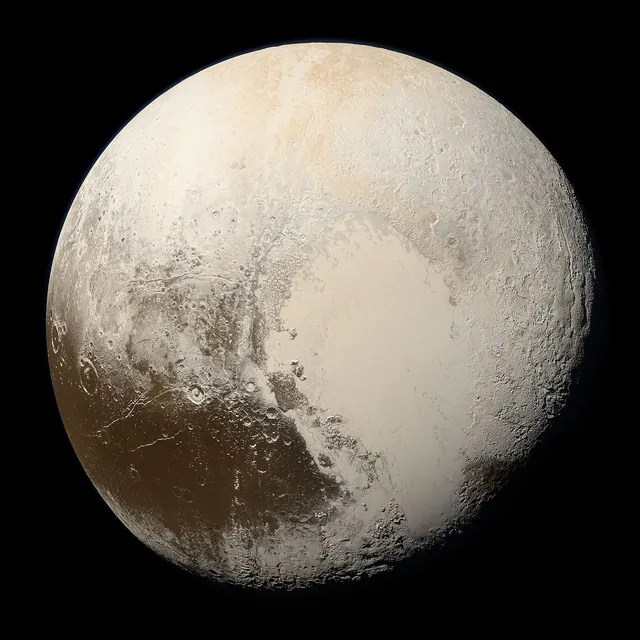 Plutodwarf planetHaumeaelongated dwarf planetMakemakedistant dwarf planetErisdistant dwarf planet