1Overview
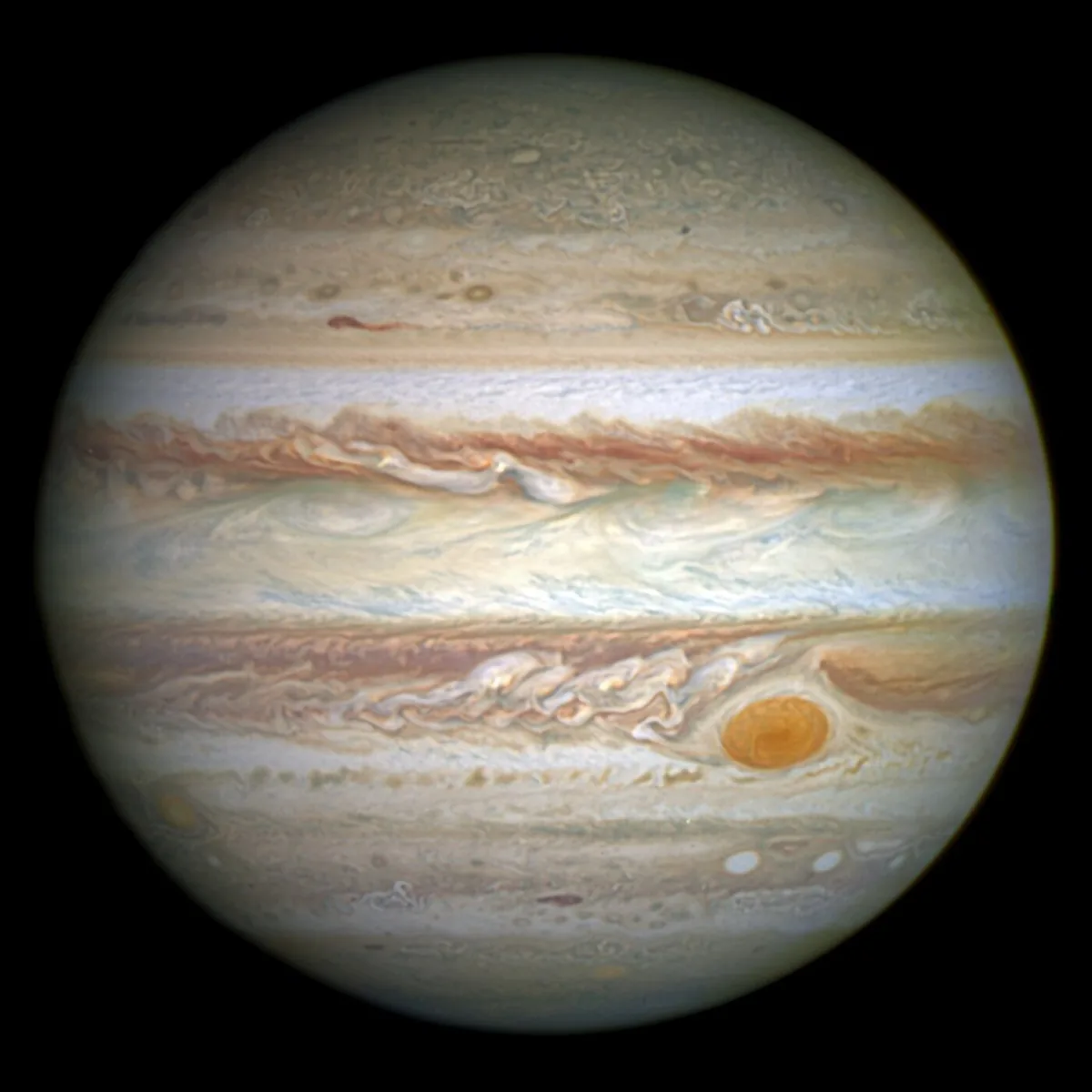
Jupiter is the largest planet in the Solar System: more than 1,300 Earths could fit inside it, and it is two and a half times as massive as all the other planets put together. It is a gas giant, mostly hydrogen and helium, with no solid surface. It spins in under ten hours, which stretches its clouds into light and dark bands.
The Great Red Spot is a giant storm, observed since at least 1830 and probably since the 17th century; it could swallow the Earth, although it has been shrinking for a century. Jupiter has at least 95 moons. The four largest, discovered by Galileo in 1610, are worlds in their own right: volcanic Io, Europa with its ocean hidden under the ice, Ganymede, larger than Mercury, and Callisto.
2Observing it
Working it out…
Jupiter is often the brightest object of the night after the Moon and Venus, a creamy white that does not twinkle. With ordinary binoculars held steady, you can see its four large moons, lined up like beads on either side of the planet; their positions change from night to night. A small telescope shows its cloud bands.
3Exploration
Pioneer 10 flew past it first in 1973, followed by the Voyager probes in 1979. Galileo stayed in orbit from 1995 to 2003, and Juno has been studying it since 2016, passing over its poles. The European JUICE probe, launched in 2023, and America’s Europa Clipper, launched in 2024, will study its icy moons in the early 2030s.
4Other Solar System bodies
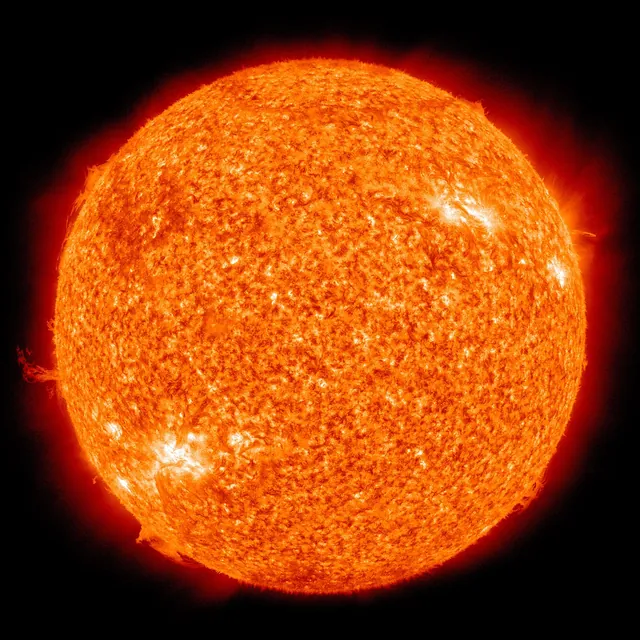 Sunstar
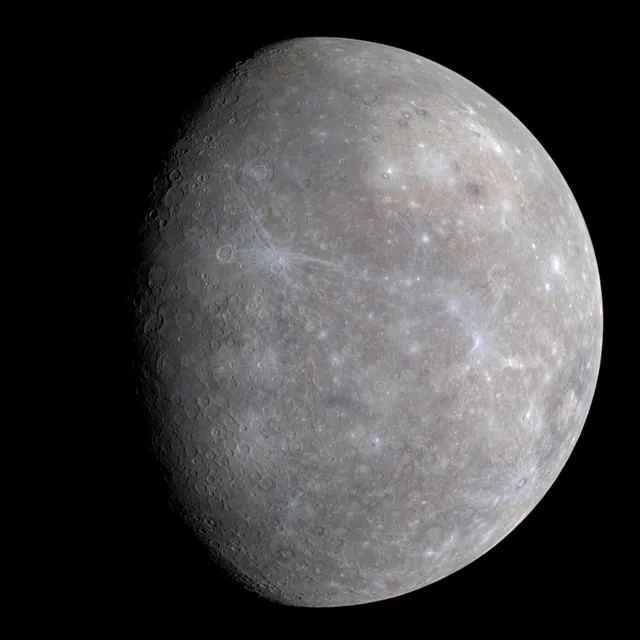 Mercuryrocky planet
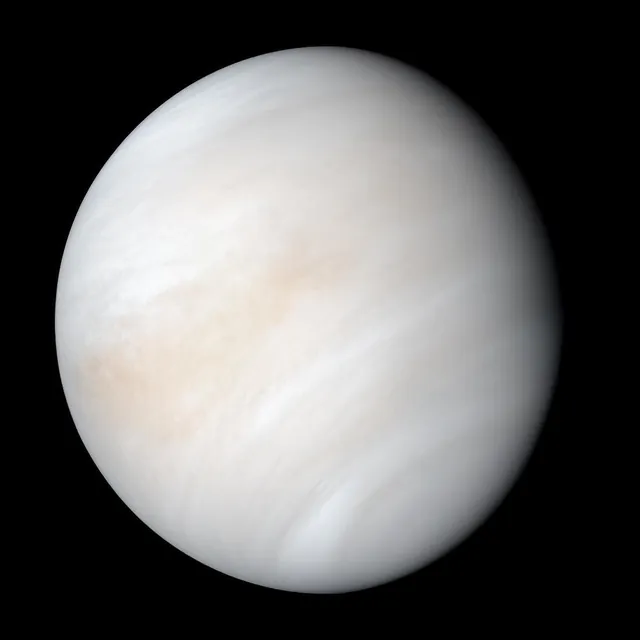 Venusrocky planet
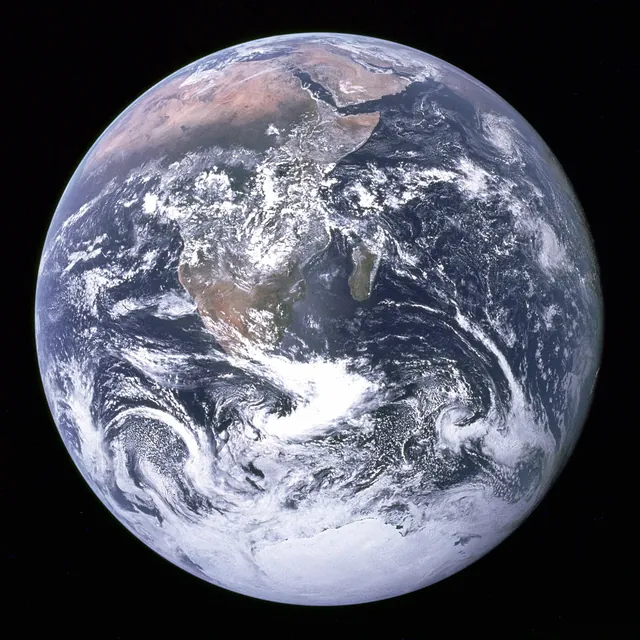 Earthrocky planet
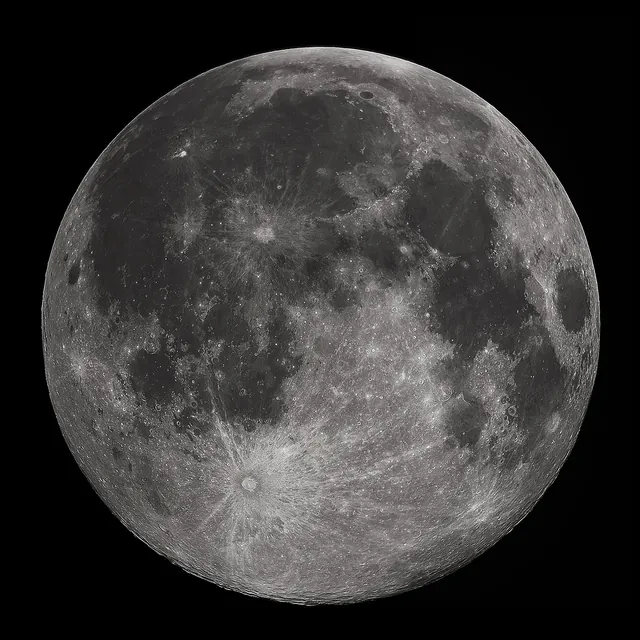 MoonEarth’s natural satellite
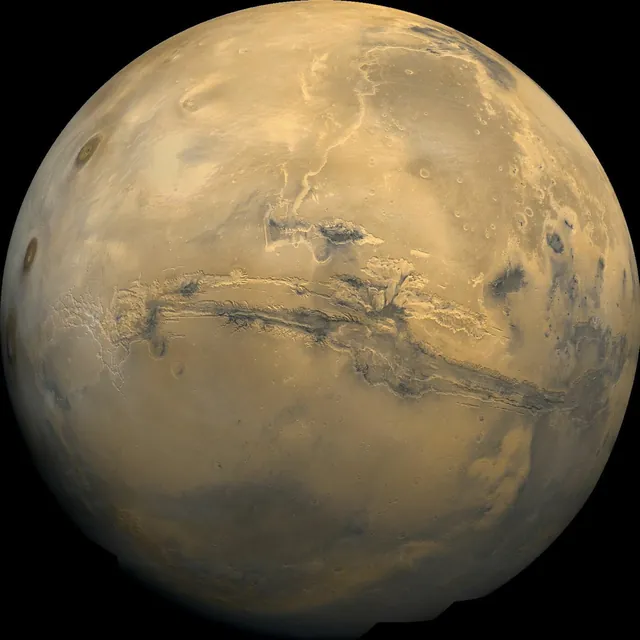 Marsrocky planet
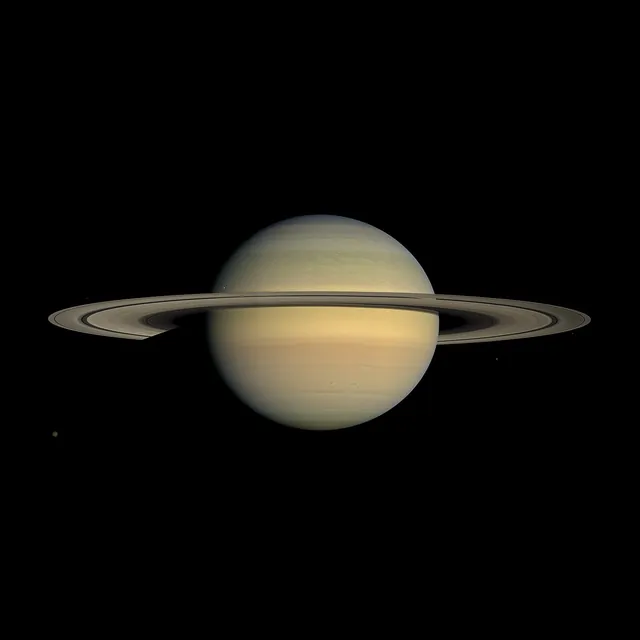 Saturngas giant planet
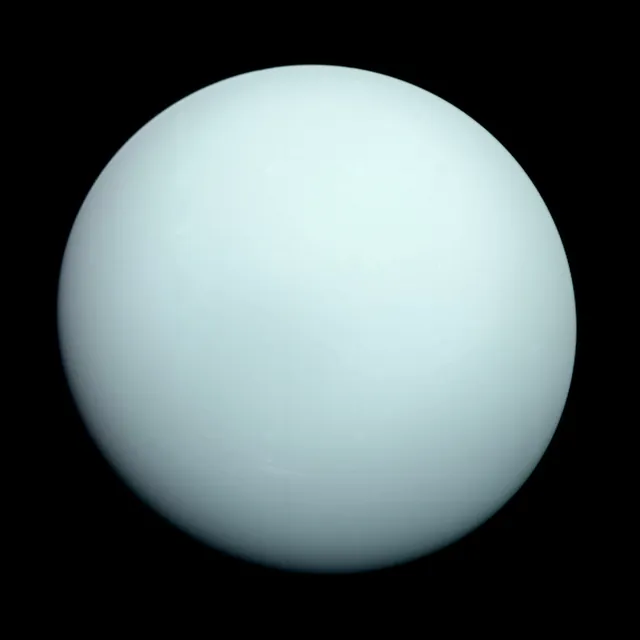 Uranusice giant planet
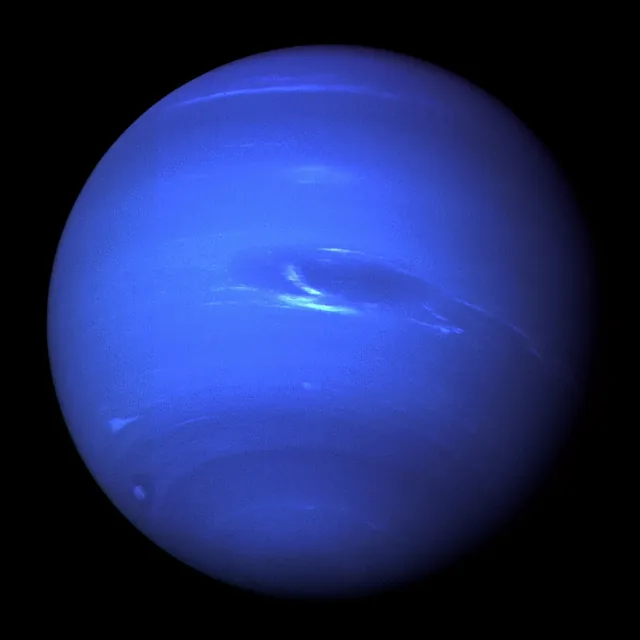 Neptuneice giant planet
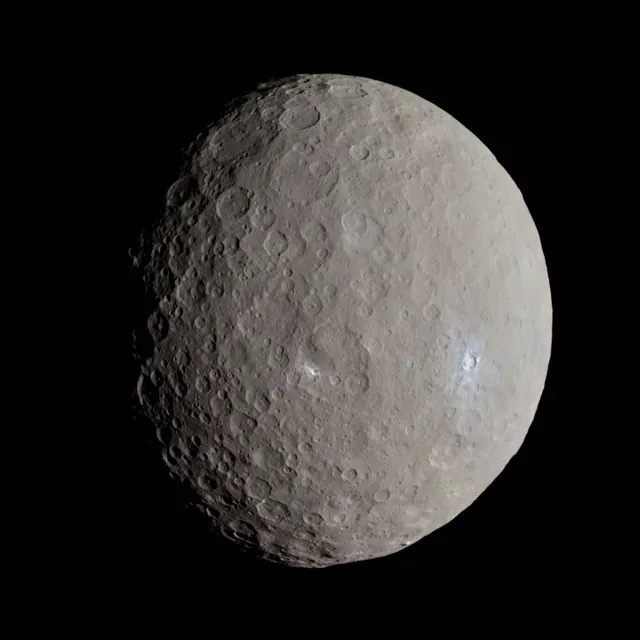 Ceresdwarf planet in the asteroid belt
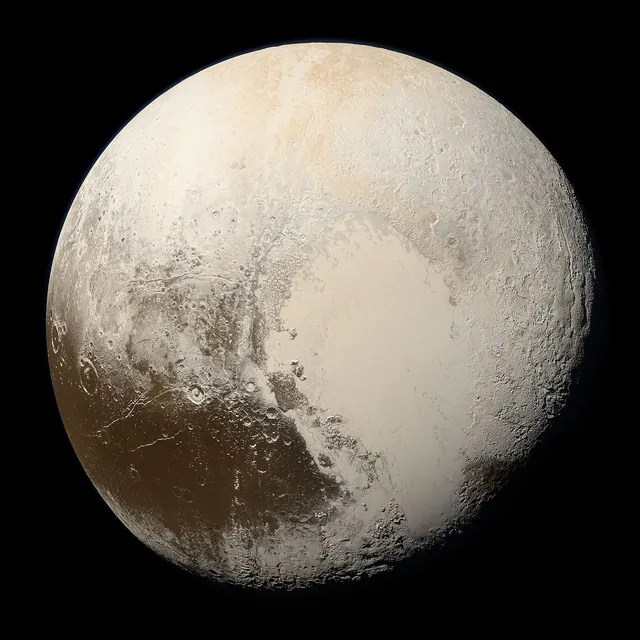 Plutodwarf planetHaumeaelongated dwarf planetMakemakedistant dwarf planetErisdistant dwarf planet