1Overview
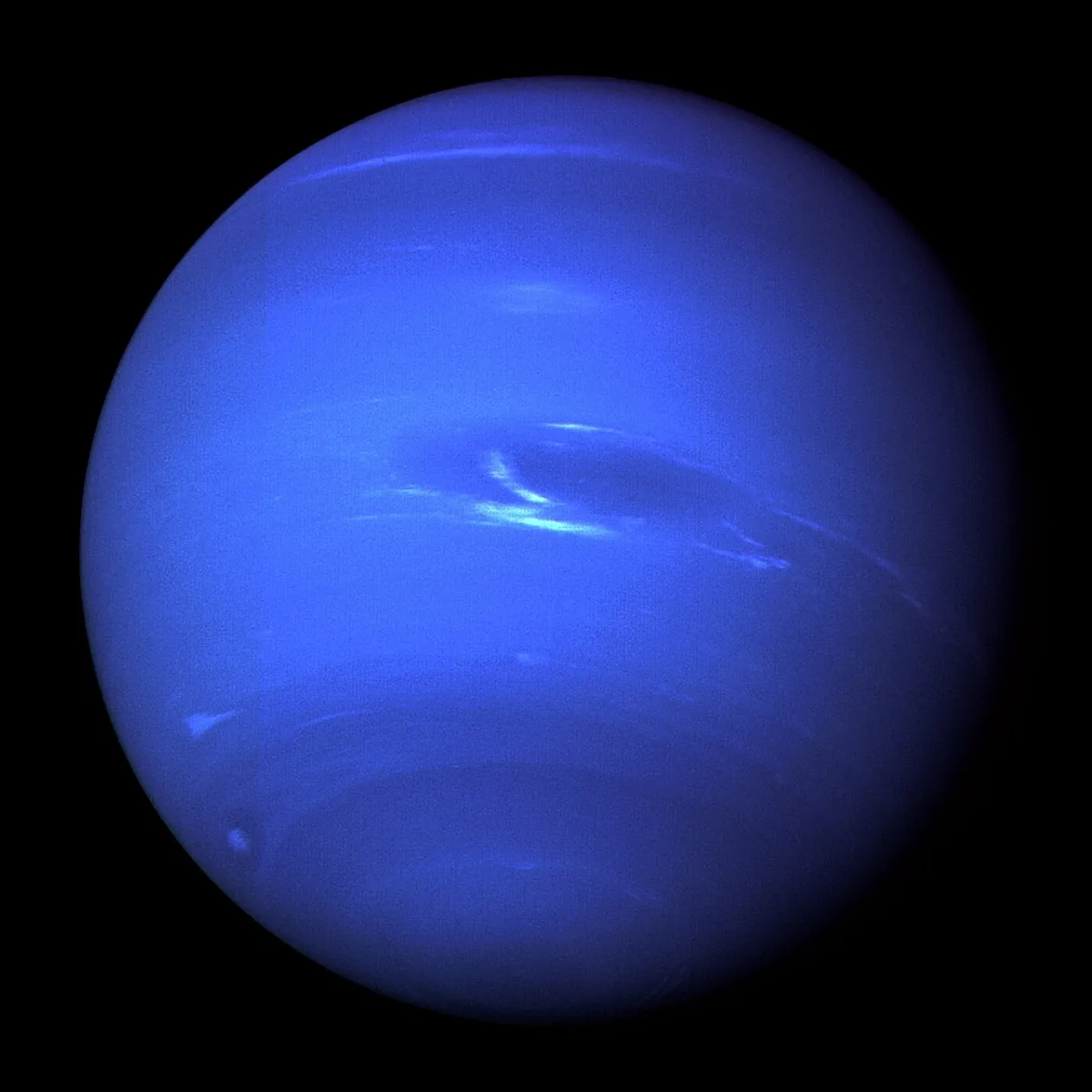
Neptune is the furthest planet from the Sun, 4.5 billion kilometres away. Like Uranus, it is an ice giant, of a deeper blue. Although it receives very little heat, it is a stormy world: the strongest winds in the Solar System blow there, at more than 2,000 km/h.
It takes 165 years to go round the Sun: since its discovery in 1846 it has completed just one orbit, finished in 2011. Its largest moon, Triton, orbits backwards and sprays geysers of nitrogen; it is probably a captured object from the Kuiper Belt.
2Observing it
Working it out…
Neptune is invisible to the naked eye (magnitude 7.8). You need binoculars and a good chart to pick it out, like one small star among others; in a telescope it is a tiny bluish disc. This site’s sky map shows its exact position.
3Exploration
Neptune was the first planet discovered by calculation. In 1846 the Frenchman Urbain Le Verrier analysed tiny disturbances in the motion of Uranus and predicted the position of an unknown planet. On 23 September 1846 the German astronomer Johann Galle found it in Berlin, less than one degree from the predicted spot. Only one probe has flown past: Voyager 2, in August 1989.
4Other Solar System bodies
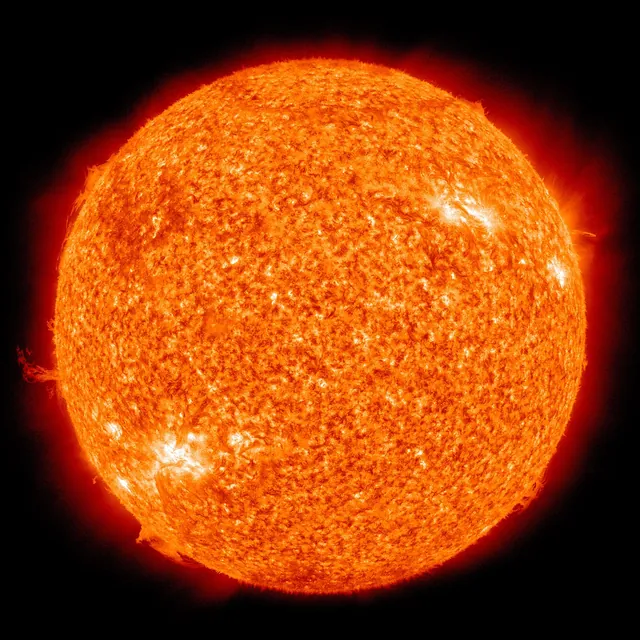 Sunstar
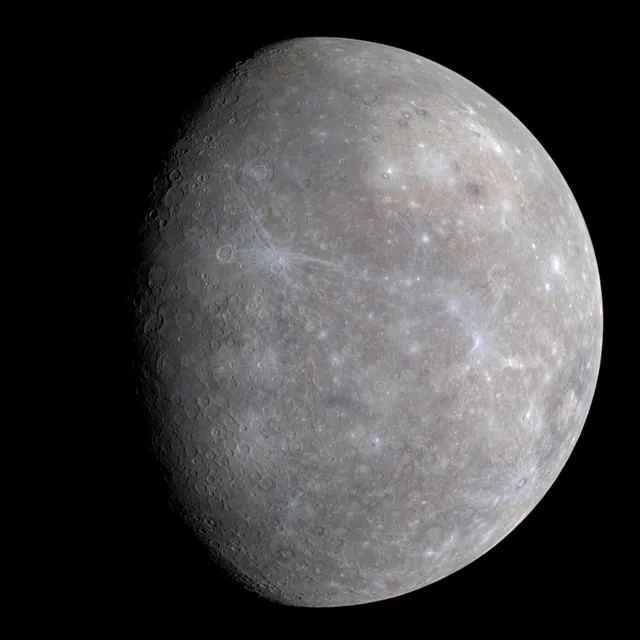 Mercuryrocky planet
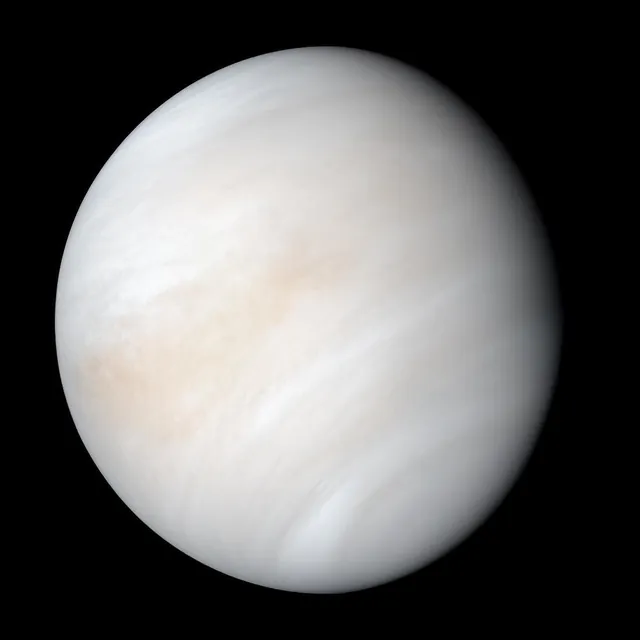 Venusrocky planet
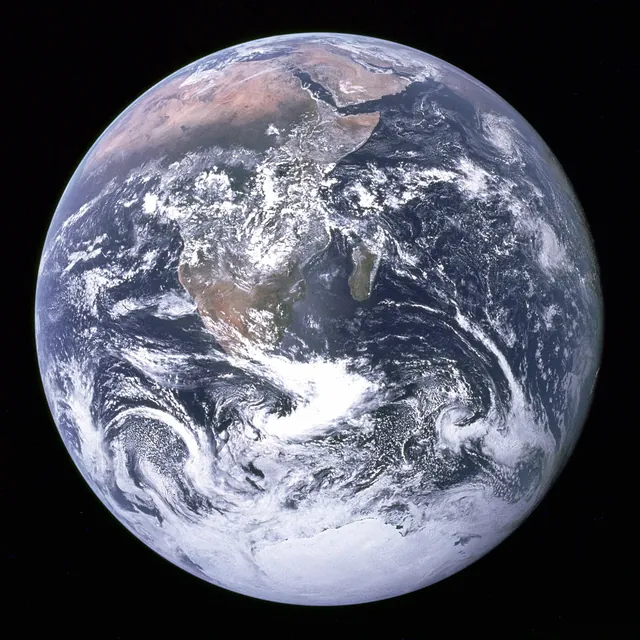 Earthrocky planet
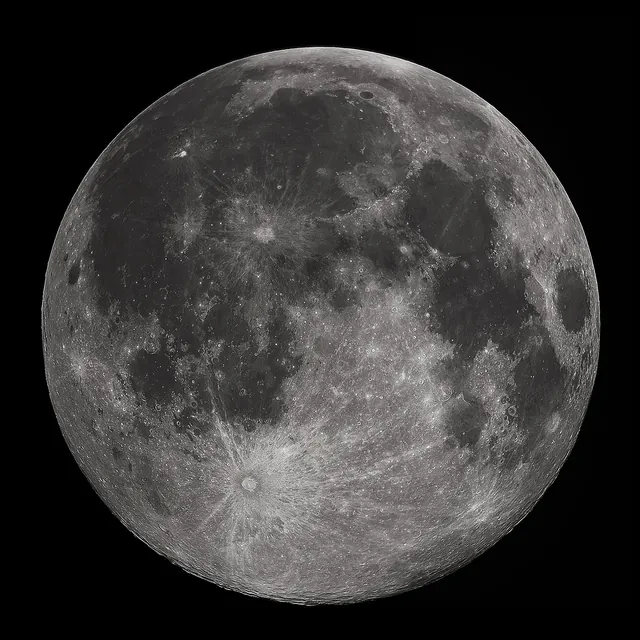 MoonEarth’s natural satellite
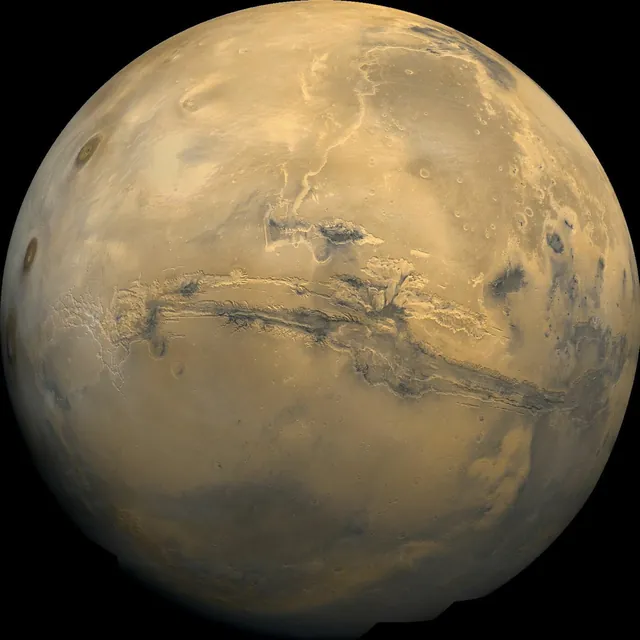 Marsrocky planet
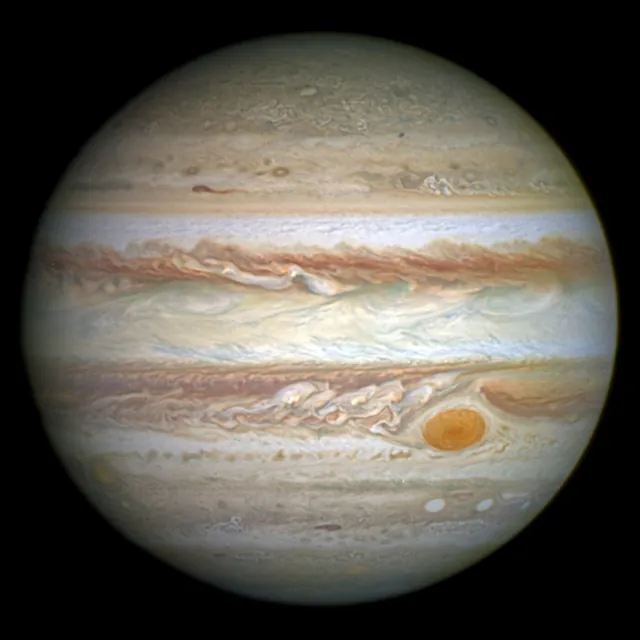 Jupitergas giant planet
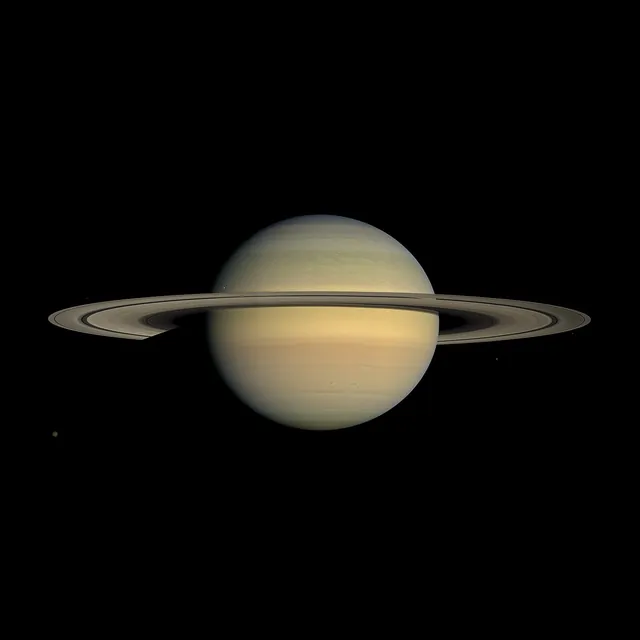 Saturngas giant planet
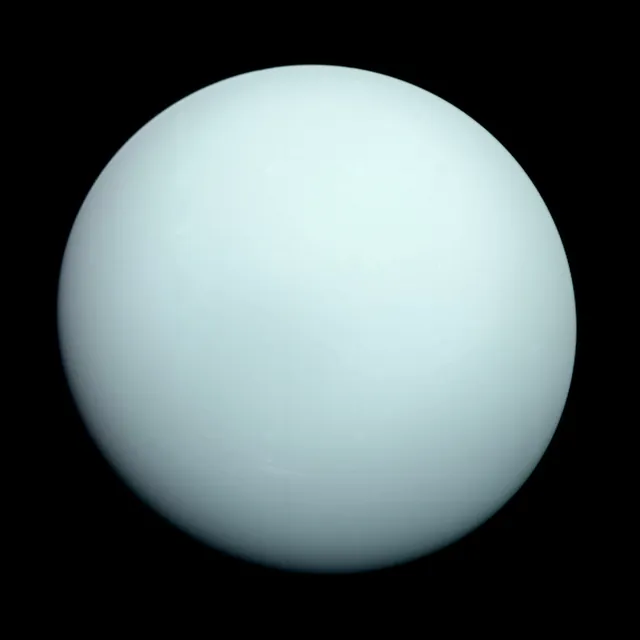 Uranusice giant planet
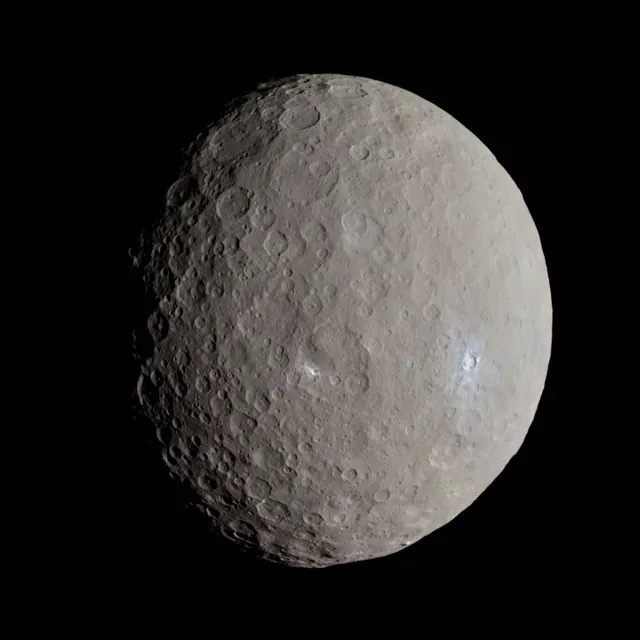 Ceresdwarf planet in the asteroid belt
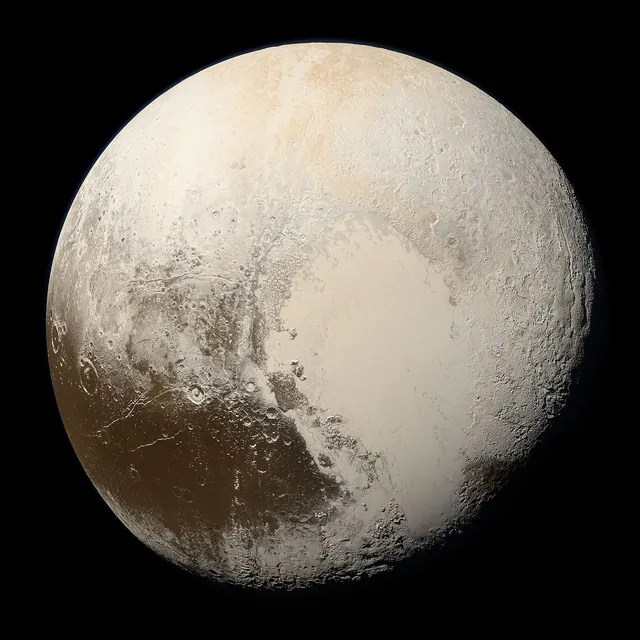 Plutodwarf planetHaumeaelongated dwarf planetMakemakedistant dwarf planetErisdistant dwarf planet