1Overview
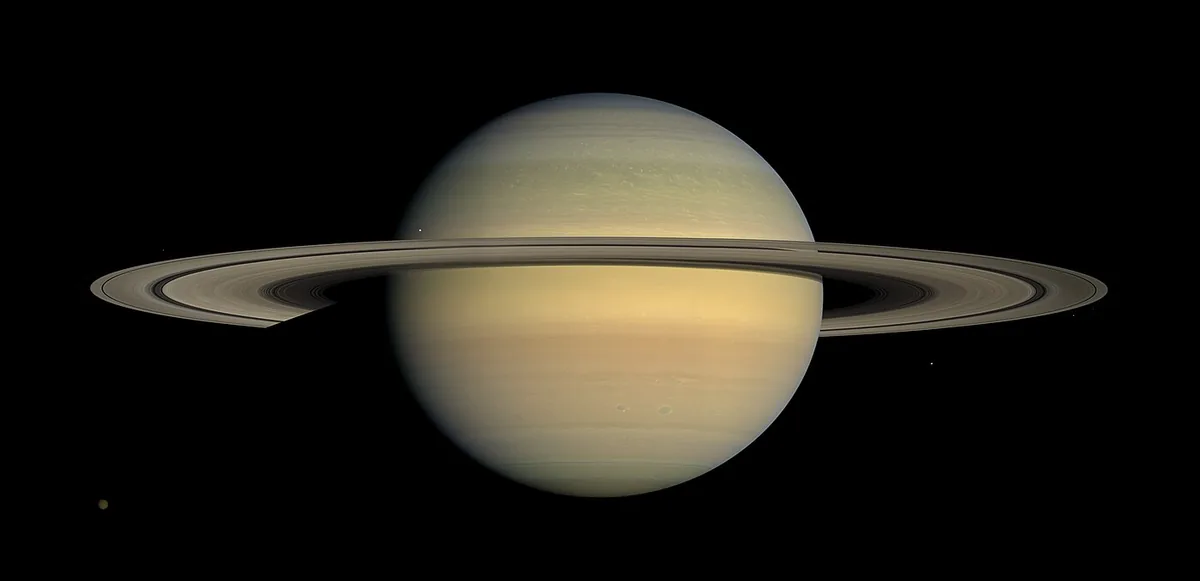
Saturn is the second largest planet, famous for its rings. They span nearly 280,000 km but are usually only a few tens of metres thick; they are made of billions of pieces of ice, from dust grains to the size of a house. Like Jupiter, Saturn is a gas giant; its average density is so low that it would float in a giant bathtub full of water.
Saturn has more than 270 known moons, the record in the Solar System. Titan, the largest, is wrapped in a thick orange atmosphere and has lakes of liquid methane. Enceladus sprays geysers of water into space from an underground ocean.
2Observing it
Working it out…
Saturn shines like a calm yellowish star. A small telescope magnifying 30 times is enough to see its rings: it is often the sight that sparks a lifelong love of astronomy. About every 15 years we see the rings exactly edge-on and they seem to vanish; this happened in 2025, and they are gradually opening up again.
3Exploration
Pioneer 11 (1979) and both Voyager probes flew past it. The Cassini–Huygens mission stayed in orbit from 2004 to 2017; its European Huygens lander touched down on Titan in January 2005, the most distant landing ever made. Cassini ended its mission by deliberately diving into Saturn’s atmosphere. The Dragonfly drone is due to set off for Titan in the late 2020s.
4Other Solar System bodies
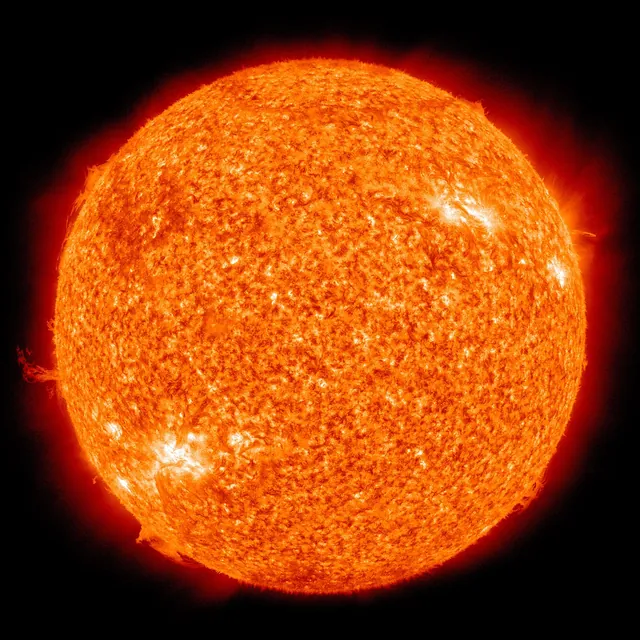 Sunstar
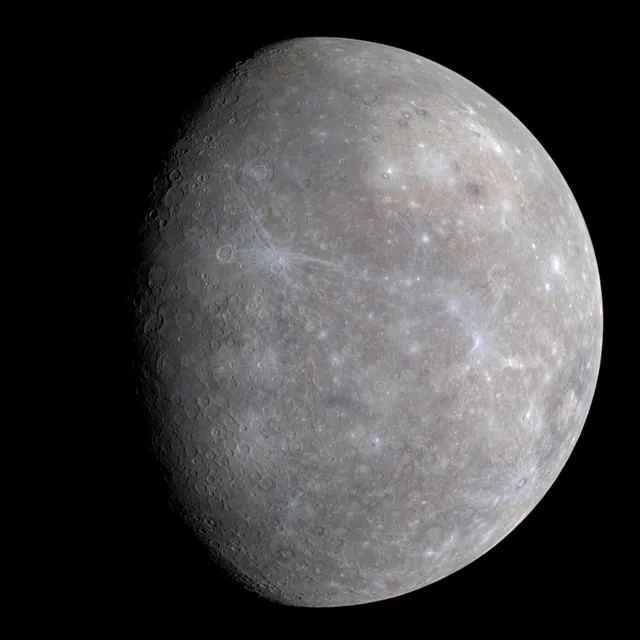 Mercuryrocky planet
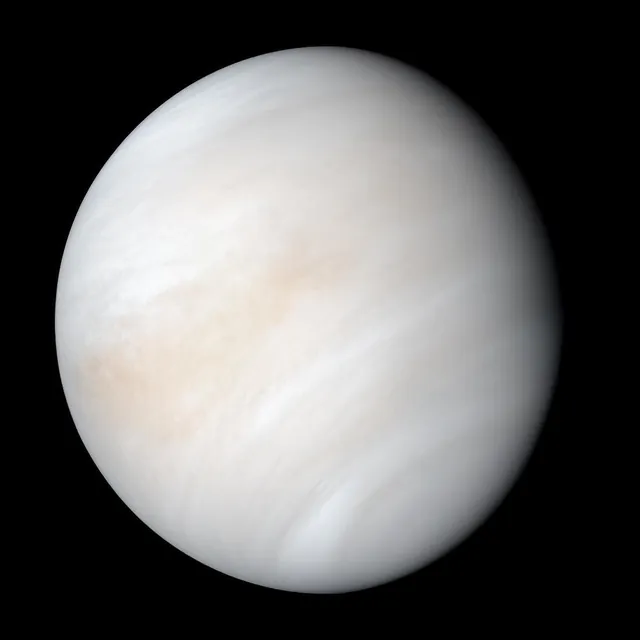 Venusrocky planet
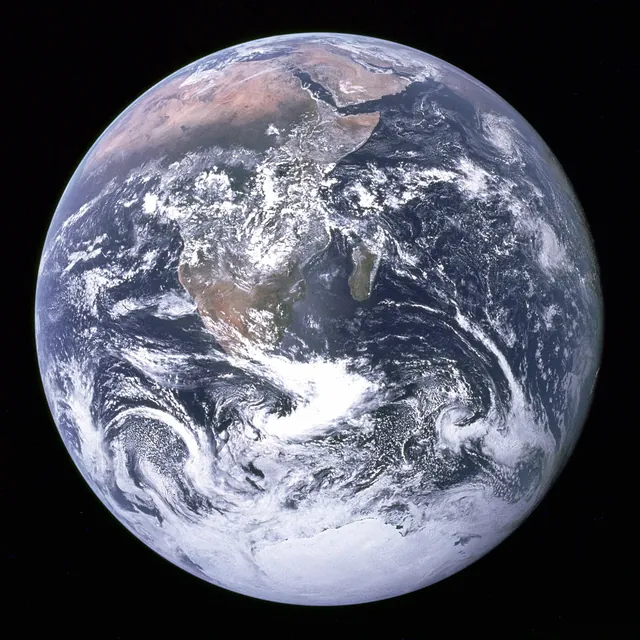 Earthrocky planet
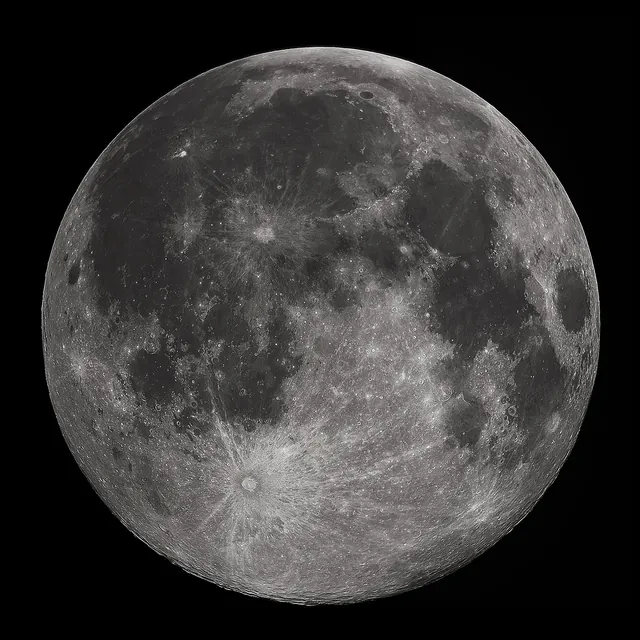 MoonEarth’s natural satellite
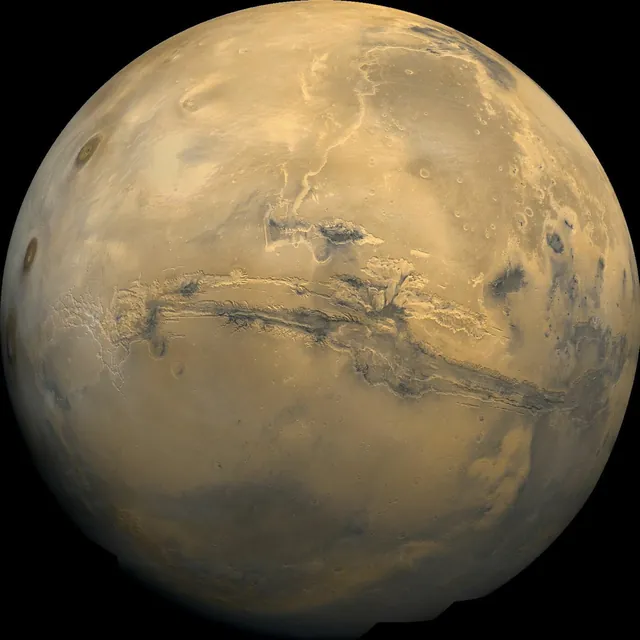 Marsrocky planet
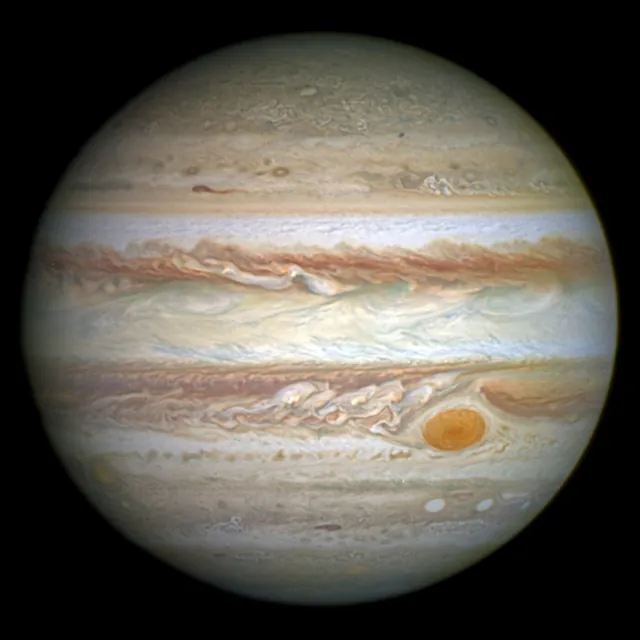 Jupitergas giant planet
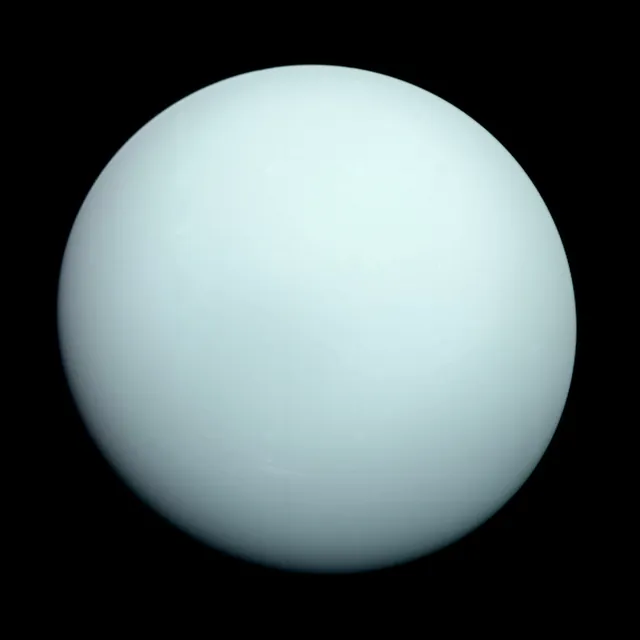 Uranusice giant planet
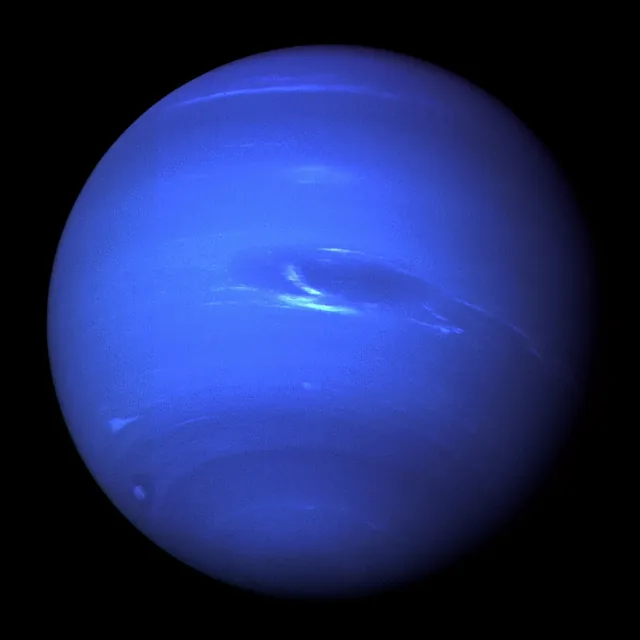 Neptuneice giant planet
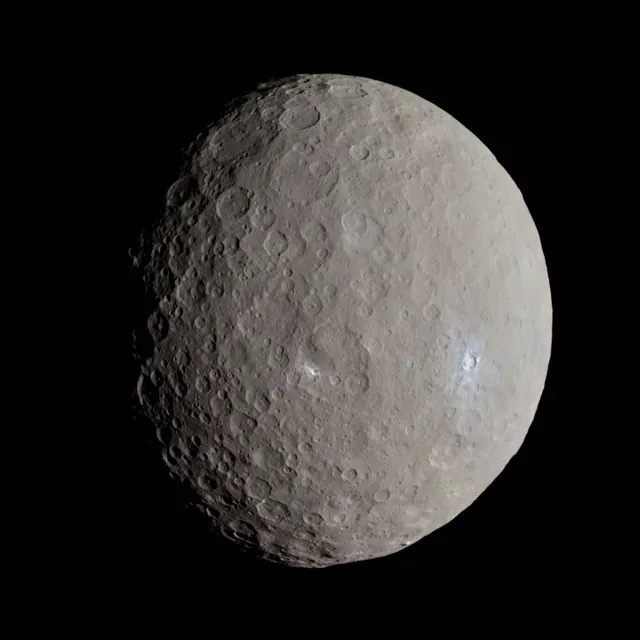 Ceresdwarf planet in the asteroid belt
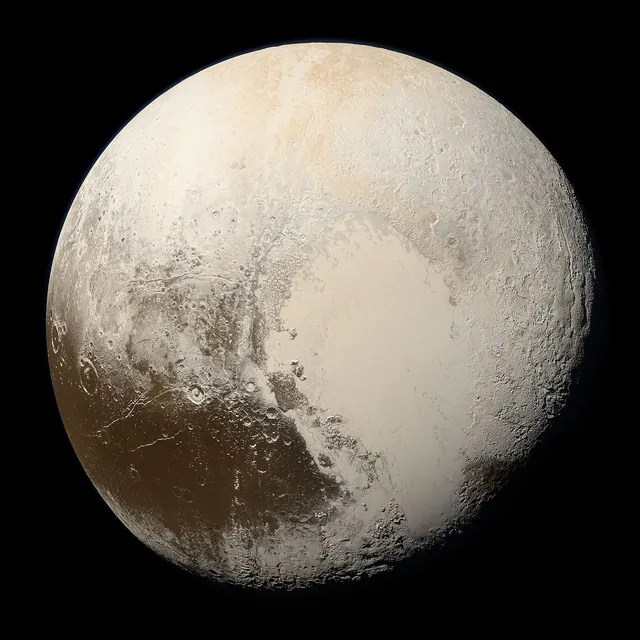 Plutodwarf planetHaumeaelongated dwarf planetMakemakedistant dwarf planetErisdistant dwarf planet